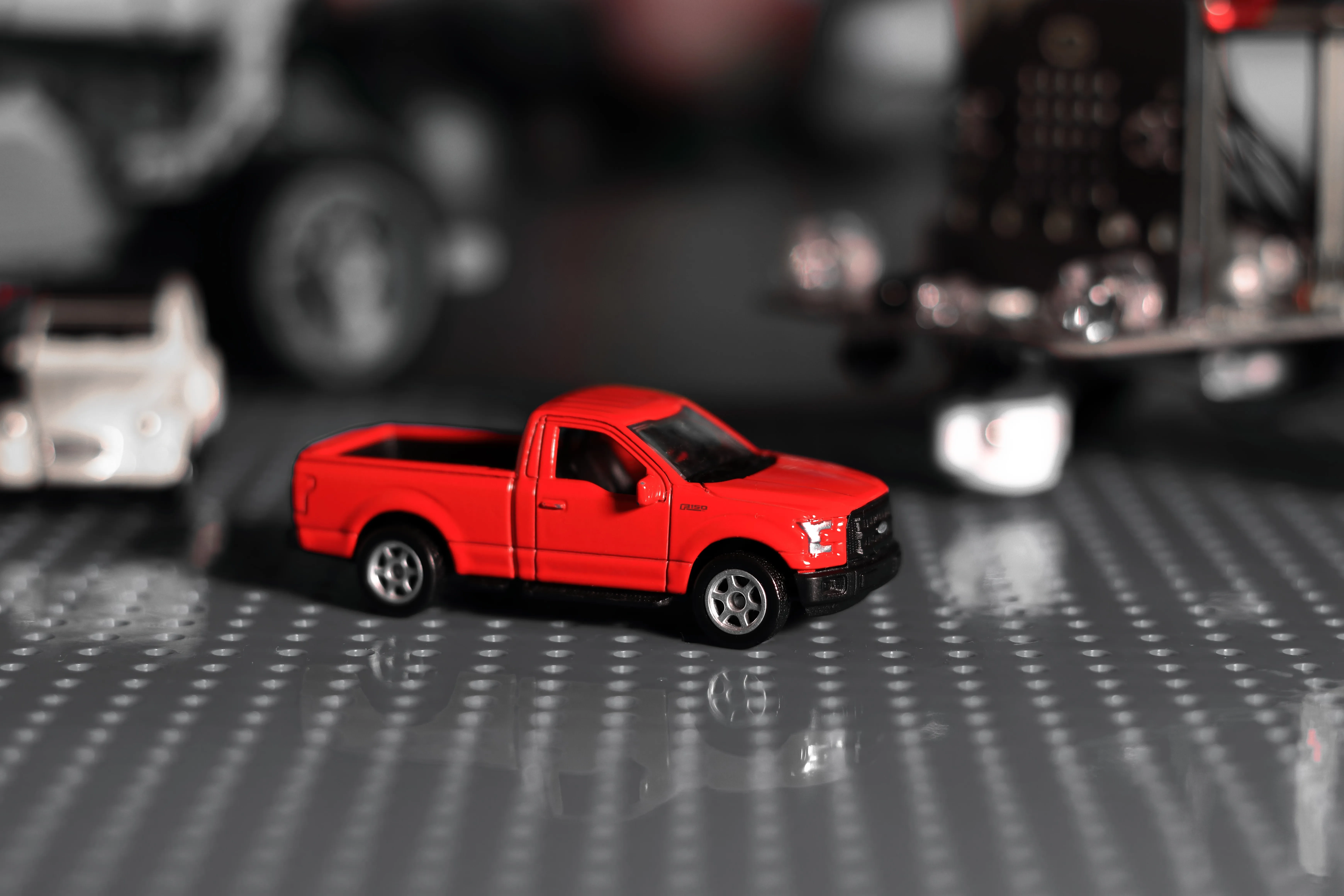
What are Diecast Toy Cars
Diecast toy cars are miniature vehicles meticulously crafted from a metal alloy, often zinc, tin, and sometimes aluminum. This manufacturing process, called die-casting, involves injecting molten metal into molds to create incredibly detailed replicas of real-life automobiles. These models are prized by collectors and enthusiasts of all ages for their authenticity, durability, and the nostalgic appeal they offer. They represent a tangible link to automotive history and design, capturing the essence of classic cars and modern marvels alike. The level of detail in these toy cars is remarkable, with many featuring accurate interiors, detailed paint jobs, and realistic features like opening doors and hoods, making them highly sought after by collectors around the world.
Materials Used in Diecast Toy Cars
The primary material used in diecast toy cars is typically a zinc alloy, often combined with small amounts of tin and copper. This combination, known for its excellent casting properties, allows for intricate designs and sharp details. The metal alloy provides the necessary weight and durability to the models, giving them a solid feel and contributing to their collectibility. Other materials are also involved in the manufacturing process, including plastic for interior components, tires, and other smaller parts. Paint is crucial for the cars’ final appearance, and it comes in various finishes and colors, closely matching the original car designs. The quality of these materials directly impacts the car’s aesthetic value and longevity, making them important factors for collectors.
Alloy Composition and Durability

The specific composition of the alloy used in diecast cars affects their durability and how they age. The zinc alloy, when properly formulated, offers high strength and resistance to wear and tear. However, it can be susceptible to “zinc pest,” a type of corrosion that can cause the metal to expand and crack over time, especially under specific environmental conditions. Manufacturers often add small amounts of other metals to the alloy to improve its stability. The paint and finish also play a crucial role in protecting the metal from the elements and preserving the car’s appearance. Proper care and storage are important to prevent damage and corrosion, ensuring that the diecast cars maintain their value and appeal for years to come.
Manufacturing Processes
The die-casting process is a complex and highly automated procedure. It starts with creating detailed molds, which are then filled with molten metal under high pressure. This ensures that the molten alloy fills every crevice of the mold, capturing the intricate details of the car’s design. Once the metal cools and solidifies, the castings are removed, and any excess material is trimmed away. This is followed by various finishing processes, including sanding, polishing, and painting. The use of precise molds and sophisticated techniques allows manufacturers to produce cars with a high degree of accuracy and realism. Assembly and quality control are the final steps, ensuring that each car meets the required standards before it is packaged and sold to collectors and enthusiasts.
Factors Influencing the Value of Diecast Toy Cars
The value of diecast toy cars is determined by a variety of factors that reflect their collectibility and desirability. These can include the rarity of the model, the brand, the scale, the condition of the car, and the presence of any original packaging. Limited edition models, those produced in small quantities or for specific events, often command higher prices. The popularity of the car model itself, its historical significance, and the level of detail also play a key role. Furthermore, the condition of the car, including any wear and tear, scratches, or missing parts, significantly impacts its value. Understanding these factors is essential for collectors looking to assess the value of their collections or for those considering entering the hobby.
Rarity and Limited Editions

Limited edition diecast cars are highly prized by collectors because of their scarcity. These models are often produced in small batches or for special events, making them more exclusive and difficult to find. Their rarity is a major factor in determining their value, and they often appreciate in value over time. Special editions may include unique paint schemes, specific detailing, or additional features not found on regular production models. For example, cars made to commemorate a particular anniversary, racing victory, or celebrity endorsement can be highly sought after. Collectors closely monitor the market for these rare items, often willing to pay a premium to acquire them, making them a valuable investment.
Condition and Preservation
The condition of a diecast car is a primary determinant of its worth. Cars in mint condition, with no scratches, dents, or wear, fetch the highest prices. Original packaging, if available, further enhances the value, especially if it is also in good condition. Collectors prioritize models that have been well-preserved, often stored in climate-controlled environments away from direct sunlight and moisture. Cleaning a diecast car requires caution to prevent damage, using soft cloths and avoiding abrasive cleaners. Proper storage and care can preserve the car’s value and ensure that it remains a valuable item in a collection. Protecting these miniature vehicles from environmental factors and handling them carefully is critical for maintaining their condition and, consequently, their market value.
Brand and Manufacturer
Certain brands and manufacturers are highly regarded in the world of diecast cars, and their products often have higher values. Brands like Hot Wheels, Matchbox, and others have built a strong reputation for quality and design, which has resulted in strong demand among collectors. The reputation of the manufacturer, their attention to detail, and their historical significance contribute to the model’s value. Rare models from renowned brands or those that are part of a famous series are usually more valuable. Collectors often seek out particular brands or models to complete their collections, as certain manufacturers are associated with specific periods or vehicle types.
Scale and Detail

The scale and level of detail in diecast cars significantly influence their value. Common scales include 1:18, 1:24, and 1:43, with larger scales generally offering more detail and potentially commanding higher prices. Highly detailed models with accurate interiors, realistic paint jobs, and intricate features such as opening doors, hoods, and trunks are often more valuable. The accuracy of the model’s design in relation to the real-life vehicle is another significant factor. Collectors appreciate cars that accurately replicate the original design, and the level of detail often reflects the manufacturer’s commitment to quality. Models that incorporate high-quality materials and advanced manufacturing techniques are typically more sought after.
Current Market Trends
The diecast car market is constantly evolving, and understanding current trends is essential for collectors and investors. Certain models and brands experience fluctuations in value based on collector interest, market demand, and economic conditions. Limited edition cars and vintage models often appreciate, as do those that are associated with popular franchises, movies, or historical events. The internet and online platforms have dramatically changed the market, providing collectors with access to a broader range of models and increasing the overall market awareness. Monitoring auction results, online sales, and collector forums can provide valuable insights into the current market values and trends, thus allowing enthusiasts to make informed decisions.
Top 7 Facts About Diecast Toy Cars
Fact 1 Historical Significance

Diecast toy cars offer a glimpse into the history of automotive design and manufacturing. They document the evolution of car models, from classic designs to modern supercars. The historical value is enhanced for models replicating cars from specific eras, capturing the spirit and design trends of the time. This connection with history makes diecast cars not only collectible items but also educational tools, preserving and celebrating automotive heritage for future generations. Collecting these cars allows enthusiasts to engage with and learn from automotive history.
Fact 2 Collectibility and Demand
The collectibility of diecast toy cars is high due to the widespread interest and demand among hobbyists and enthusiasts. This demand is driven by the diverse range of models available, the appeal of collecting, and the nostalgia associated with these toys. Many collectors focus on specific brands, eras, or car models, creating specialized niches within the hobby. The limited production runs and rare models can increase the collectibility of these cars, making them valuable assets. The active trading and auction markets, both online and in person, also reflect the strong demand and enduring appeal of diecast toy cars.
Fact 3 Production Variations
Diecast cars often have production variations that significantly influence their value. These variations can include different paint colors, interior designs, wheel types, or even minor changes to the body. These variations can be the result of manufacturing changes or the release of different models. Collectors often actively seek out these variations to add to their collections. These differences make each car unique, enhancing their appeal and collectibility. Identifying and understanding these variations is a core aspect of diecast car collecting.
Fact 4 Condition and Grading

The condition of a diecast car plays a crucial role in its value. Collectors meticulously assess the condition of each model, using a grading system that categorizes cars based on their appearance. Mint condition cars, which show no signs of wear or imperfections, typically command the highest prices. The presence of original packaging and any accompanying documentation further enhances the value. Cars that have been properly stored and maintained over the years retain their value, while those with significant damage or wear are often less desirable. Understanding the grading system helps collectors assess the value of a model car.
Fact 5 Provenance and Authenticity
Provenance, or the history of ownership, can add significant value to a diecast car. A car with a well-documented history, particularly if it was once part of a renowned collection, often commands a higher price. Authenticity is another critical factor, especially for rare or limited-edition models. Verifying that a car is genuine and has not been altered or restored is essential. Collectors often seek out cars with original boxes, documentation, and any promotional materials. Authenticity is ensured through a combination of detailed inspections and documentation, which adds to the value and appeal for serious collectors.
Fact 6 Rarity and Limited Editions
Rarity and limited editions are essential drivers of value in the diecast toy car market. Limited-production models are produced in smaller quantities, which increases their scarcity and demand. Special edition cars released to celebrate specific events, anniversaries, or collaborations can also be highly sought after. Collectors eagerly pursue these exclusive models to complete their collections. Rarity is a central element in the diecast car market, which creates an environment where values can fluctuate significantly based on supply and demand, making these cars valuable investments.
Fact 7 Market Fluctuations

The diecast toy car market is subject to fluctuations influenced by a variety of factors, including collector trends, economic conditions, and the availability of specific models. Market prices can vary over time, with certain models appreciating in value and others losing value. Economic downturns and changing collector preferences can influence prices, along with shifts in the demand for particular brands or models. Staying informed about market trends, auction results, and the values of collectibles helps both buyers and sellers make informed decisions. Careful research and understanding market dynamics are essential when investing in or collecting diecast toy cars.
Where to Buy and Sell Diecast Toy Cars
There are several avenues for buying and selling diecast toy cars, each with its own advantages. Online marketplaces such as eBay and specialized websites offer a vast selection of models, providing access to a global market. Auctions, both online and in person, are popular for rare and high-value cars. Local hobby shops and car shows often feature diecast cars for sale. Private collectors and trading groups can also provide opportunities for buying and selling. The choice of where to buy or sell depends on the desired car, the price range, and the collector’s preferences. Researching and comparing options can help buyers and sellers find the best deals and ensure they are engaging with reputable dealers or collectors.
Online Marketplaces
Online marketplaces are major platforms for buying and selling diecast toy cars, offering the convenience of browsing and purchasing from anywhere in the world. Sites like eBay host a massive selection of models, from common releases to rare collectibles. Specialized online retailers focus on diecast cars, often providing more detailed information, professional photos, and accurate descriptions. These platforms allow buyers to compare prices, review seller ratings, and easily access a large range of models. However, it’s important for buyers to carefully review seller feedback, examine the car’s condition, and understand shipping costs. Online marketplaces provide a dynamic environment for collectors to buy, sell, and trade their diecast cars.
Specialized Auctions
Specialized auctions are a valuable venue for selling and buying rare or high-value diecast toy cars. Auction houses focused on collectibles frequently feature diecast models in their sales. These auctions can generate competitive bidding among collectors, often resulting in higher prices for rare or desirable items. These platforms provide a transparent environment for buying and selling, with professional appraisals and detailed descriptions. Auctions are an excellent option for sellers looking to reach a broad audience and for buyers seeking investment-grade or rare models. Participating in auctions provides the chance to discover unique pieces and connect with other diecast car enthusiasts.
Collecting Diecast Toy Cars
Collecting diecast toy cars can be a fulfilling hobby, offering both enjoyment and potential investment value. Collectors can choose to focus on specific brands, scales, car models, or eras. Researching the market and understanding the factors that affect value is important for any collector. Building a collection requires a combination of knowledge, patience, and a passion for automotive history. Engaging with other collectors, joining online forums, and attending car shows can provide valuable learning opportunities. Diecast toy car collecting is a hobby that combines a love of cars with the thrill of collecting, resulting in an engaging and rewarding pastime.
Storage and Preservation Tips
Proper storage and preservation are essential for maintaining the value of your diecast toy car collection. Store cars in a cool, dry, and dark environment away from direct sunlight, which can fade paint and degrade plastic components. Using display cases with UV protection and low humidity levels is a good idea. Handling cars with clean hands and avoiding excessive contact can prevent scratches and wear. When cleaning, use soft cloths and gentle cleaning solutions. Consider keeping cars in their original packaging if possible, as this enhances their value. By following these practices, collectors can preserve their diecast toy car collection.