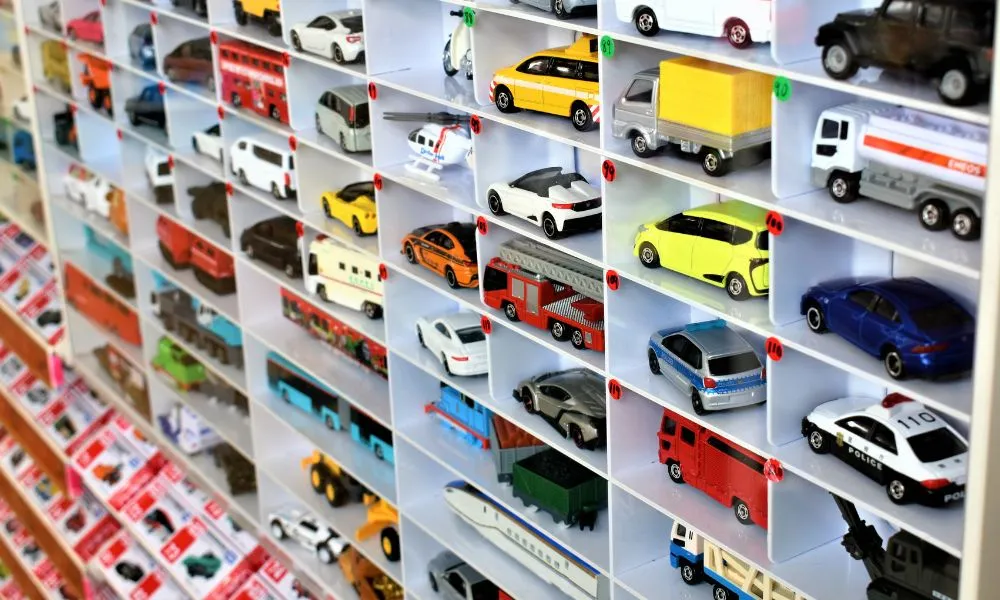
What are Diecast Cars
Diecast cars are miniature models of real-world vehicles, typically made from a zinc alloy known as ‘pot metal’. These models are not just toys; they are collectible items that range in detail and accuracy, from simple representations to incredibly detailed replicas. The appeal of diecast cars spans generations, with enthusiasts of all ages enjoying the process of collecting, customizing, and, of course, building these miniature automotive masterpieces. The world of diecast cars is incredibly diverse, encompassing everything from classic cars and modern supercars to trucks, buses, and even military vehicles. Whether you’re a seasoned collector or a complete beginner, the joy of owning and building these models is undeniable. This guide delves into the fascinating world of building diecast cars, exploring everything from their history and materials to the fun facts that make them so captivating.
The History of Diecast Cars
The history of diecast cars is a story of innovation and evolution, beginning in the early 20th century. The earliest diecast models were simple toys, but as manufacturing techniques advanced, so did the complexity and detail of the models. Initially, these cars were primarily used as toys for children. However, the increasing realism and collectibility of the models led to a shift, with diecast cars becoming popular among adult collectors. Manufacturers started to focus on producing highly detailed replicas of real-world vehicles, complete with accurate paint schemes, interior details, and working features like opening doors and hoods. The history is marked by several milestones including the introduction of iconic brands and the expansion of the hobby to a global scale.
Evolution of Diecast Car Manufacturing

The evolution of diecast car manufacturing has been driven by technological advancements and a desire for greater realism. Early manufacturing processes were relatively basic, resulting in simple, often crude models. Over time, diecasting technology improved significantly, allowing for more intricate designs and finer details. The introduction of advanced materials and precision molding techniques further enhanced the quality of diecast models. These advancements have enabled manufacturers to create incredibly detailed models that accurately replicate the appearance of real-world vehicles. Today, the manufacturing process is a sophisticated combination of computer-aided design (CAD), precision tooling, and automated assembly, ensuring high-quality models with exceptional detail. The process has also become more environmentally conscious, with many manufacturers adopting sustainable practices.
Materials Used in Diecast Car Construction
The materials used in building diecast cars play a crucial role in their quality, durability, and appearance. The primary material is a zinc alloy, which is known for its ability to hold intricate details and its strength. Other materials, such as plastics, rubber, and sometimes even real metal components, are used to create the various parts of the car. Each material contributes to the overall realism and functionality of the model. The choice of materials is also influenced by factors such as cost, durability, and the desired level of detail. High-end models often incorporate a wider range of materials to achieve a superior level of realism. The combination of these materials allows manufacturers to create models that are both visually appealing and structurally sound.
Zinc Alloy
Zinc alloy, often referred to as ‘pot metal,’ is the backbone of most diecast car models. This alloy is chosen for its excellent diecasting properties, which allow manufacturers to create complex shapes with high precision. The metal is melted and injected into molds under high pressure, which ensures that every detail of the car is captured. Zinc alloy is also relatively inexpensive, making it a cost-effective choice for mass production. The metal’s durability ensures the models can withstand handling and play. While being the primary material, it is often combined with other materials to provide the desired characteristics.
Plastic Components

Plastic components are used extensively in diecast cars for a variety of parts. These include interior details, such as seats, dashboards, and steering wheels, as well as exterior components like bumpers, spoilers, and sometimes even the chassis. Plastics offer flexibility in design and can be molded into a wide range of shapes and colors. They also help to reduce the overall weight of the model and can be more cost-effective than using metal for certain parts. The type of plastic used varies depending on the application, with different plastics offering varying levels of durability, flexibility, and resistance to heat and chemicals. The use of plastics allows manufacturers to enhance the level of detail and realism in their models.
Rubber Tires
Rubber tires are essential components of diecast car models, providing a realistic appearance and functionality. The tires not only enhance the visual appeal of the model but also contribute to its ability to roll smoothly. The choice of rubber compound is crucial, affecting the tire’s grip, durability, and overall appearance. The tires are often molded with intricate tread patterns to mimic real-world tires. Some high-end models feature realistic tire markings and sidewall details. These tires are one of the most visible and recognizable features of a diecast car, contributing significantly to its overall realism and aesthetic appeal. The inclusion of these tires completes the miniature car model.
7 Fun Facts About Building Diecast Cars
Building diecast cars is more than just a hobby; it’s a journey into a world of detail, craftsmanship, and history. There are many interesting facets of building these cars. Below are some interesting facts that make building diecast cars an appealing hobby.
The Scale Factor

Diecast cars come in a variety of scales, the most popular being 1:18, 1:24, and 1:43. The scale indicates the ratio between the model and the real car. A 1:18 scale model is 1/18th the size of the original vehicle, and the scale affects everything from the size of the car to the level of detail. The scale can greatly influence the level of detail that is achievable. Smaller scales, such as 1:64, are often more affordable and easier to display. Larger scales allow for more intricate detailing and are popular among serious collectors. Knowing the scale is essential for collectors who want to maintain consistency in their collections.
Detailing Precision
The level of detail in diecast cars is truly remarkable, with many models featuring incredibly realistic elements. High-quality models boast accurate paint schemes, detailed interiors with seats, dashboards, and even seatbelts, and functional features like opening doors, hoods, and trunks. Some models include engine components, suspension systems, and even working steering mechanisms. The pursuit of detail is a hallmark of the hobby, with collectors often seeking models that replicate every aspect of the real vehicle as accurately as possible. Building these models involves carefully assembling small parts and applying paint and decals to achieve a high level of realism.
Collecting Craze
Collecting diecast cars is a global phenomenon, with enthusiasts spanning all age groups. The hobby fosters a sense of community, with collectors sharing their passion through clubs, online forums, and trade shows. Collecting diecast cars can be a rewarding pastime, allowing collectors to build a collection of their favorite vehicles. Collecting is not just about acquiring models, it is about the story behind each model, the history of the car, and the memories they evoke. The value of a diecast car can vary significantly, with rare or limited-edition models commanding high prices. The act of collecting can be a source of great joy, and the pursuit of rare and valuable models can be exciting.
Customization Options

Customizing diecast cars is a popular aspect of the hobby, allowing enthusiasts to personalize their models and create unique pieces. Customization can range from simple modifications, such as changing the wheels or adding decals, to more extensive projects like repainting the entire car or modifying the interior. Customizers often use specialized tools and techniques, including airbrushing, detailing with fine brushes, and applying custom decals. The possibilities for customization are endless, allowing collectors to express their creativity and create models that reflect their personal style. The customization process gives the collector the freedom to transform a standard model into a unique work of art.
Value Appreciation
Certain diecast car models can appreciate in value over time, particularly those that are rare, limited edition, or in high demand. Factors such as the model’s rarity, its condition, and the manufacturer’s reputation all influence its value. Some collectors view their diecast car collections as investments, with the potential for significant returns. The value of a model can also be affected by historical significance, such as being a replica of a classic or iconic car, or its association with famous drivers or events. While not all diecast cars appreciate in value, the potential for this adds an interesting dimension to the hobby. Collectors who are knowledgeable about the market and keep their models in good condition can realize a substantial return on their investment.
Famous Diecast Car Brands
Many well-known brands have made a name for themselves in the world of diecast cars. Some of the most renowned brands include Hot Wheels, Matchbox, Autoart, Minichamps, and TSM-Model. Each brand has its own style, focus, and level of detail. Some brands specialize in specific types of vehicles, such as race cars or classic cars, while others offer a broad range of models. The choice of brand often reflects the collector’s personal preferences and interests. The history and reputation of these brands contribute to the overall appeal and collectibility of the models. The best brands are also constantly innovating, introducing new models and techniques to stay competitive and satisfy collectors’ demands.
The Art of Building

Building diecast cars can be an art form, involving a combination of patience, skill, and attention to detail. Building these models requires careful assembly, precise painting, and the application of decals and other small details. Many builders also engage in customization, adding their personal touches to create unique models. This also involves using specialized tools and techniques to achieve a professional finish. The art of building extends beyond the technical aspects, encompassing an appreciation for the vehicle’s design and history. Building diecast cars offers a creative outlet for enthusiasts, allowing them to express their passion for cars and craftsmanship. The journey of building these models is a rewarding experience, and the finished products are often stunning works of art.
Tools Needed for Building Diecast Cars
To build diecast cars, you will need a set of essential tools that will aid in the assembly, detailing, and customization of your models. Having the right tools can make the building process easier, more enjoyable, and improve the quality of your finished models. Below are some essential tools that you will need. Having the right tools can make the building process easier and more enjoyable.
Screwdrivers
A set of small screwdrivers, both Phillips head and flathead, is essential for disassembling and reassembling the car. Different sizes are needed to accommodate the various screws used in diecast models. Invest in high-quality screwdrivers that fit the screws properly to prevent stripping the screw heads. A magnetic screwdriver can be particularly helpful for holding small screws. These screwdrivers are used when taking the diecast model apart, which makes it easy to modify.
Tweezers

Tweezers are indispensable for handling small parts, such as decals, mirrors, and other intricate details. Fine-tipped tweezers allow for precise placement and prevent damage to delicate components. Consider having different types of tweezers, including pointed and angled tips, to suit different tasks. Tweezers are very helpful for picking up the small components.
Glue and Adhesives
Various types of glue and adhesives are needed for bonding parts together. Cyanoacrylate glue (super glue) is great for quick bonding, while plastic cement is useful for plastic parts. Epoxy glue can be used for stronger bonds. Always choose adhesives that are appropriate for the materials you are working with and allow for proper drying and curing times. Using the correct glue ensures the model’s durability. The application of glue is a critical step.
Paint and Brushes
If you plan to repaint or customize your model, a selection of paints and brushes is necessary. Acrylic paints are a popular choice for their ease of use and water-based cleanup. A variety of brush sizes will be needed for different detailing tasks. Consider using an airbrush for smooth and even paint finishes. High-quality paint and brushes will improve the overall appearance of your model. Proper preparation and application of paint are essential for a professional finish. This provides a visual enhancement to the model.
Step-by-Step Building Guide

Building a diecast car can be a rewarding experience. Follow these steps for a successful building process.
Preparing the Parts
Start by carefully removing all parts from the packaging. Inspect each part for any defects or damage. If necessary, use a hobby knife or file to remove any flash or mold lines. Clean the parts with a soft cloth to remove any dust or debris. Organize the parts to ensure you can easily find them during assembly. Thorough preparation is a critical step for the building process.
Assembling the Body
Begin by assembling the main body components. This usually involves attaching the chassis to the body shell. Use the appropriate screws or adhesives as per the instructions. Ensure that the body parts align correctly and that all seams are flush. If you are painting the body, do so before attaching the smaller parts. A correct body assembly is a basic necessity for a perfect model.
Attaching the Wheels
Carefully attach the wheels to the axles. Ensure that the wheels are aligned properly and that they can rotate freely. Some models may require the use of small pins or clips to secure the wheels. Test the car’s rolling ability to ensure that the wheels are properly attached and do not rub against any other parts. Incorrect alignment can impact the model’s appearance and performance.
Adding Small Details
Add the smaller details, such as mirrors, wipers, lights, and interior components. Use tweezers to handle these delicate parts. Follow the instructions carefully to ensure that each part is correctly placed. Use the appropriate adhesives to secure the parts. Adding small details will make a big difference in the look of the model car.
Finishing Touches
Once all parts are attached, inspect the model for any imperfections. Touch up any paint flaws and clean off any glue residue. Apply decals and other details, carefully following the instructions. Consider adding a protective clear coat to the model to enhance its appearance and protect the finish. The finishing touches can make the model look like a work of art.
Conclusion
Building diecast cars is a fascinating and rewarding hobby that blends history, craftsmanship, and creativity. From understanding the materials and tools to assembling the various components, the process offers a deep sense of accomplishment. The fun facts about the hobby give the builder a deeper understanding of the subject. Whether you are a beginner or a seasoned collector, the world of diecast cars has something for everyone. The hobby of building diecast cars will never get old. As you embark on your journey to build diecast cars, remember to enjoy the process, appreciate the intricate details, and let your creativity shine. Happy building.