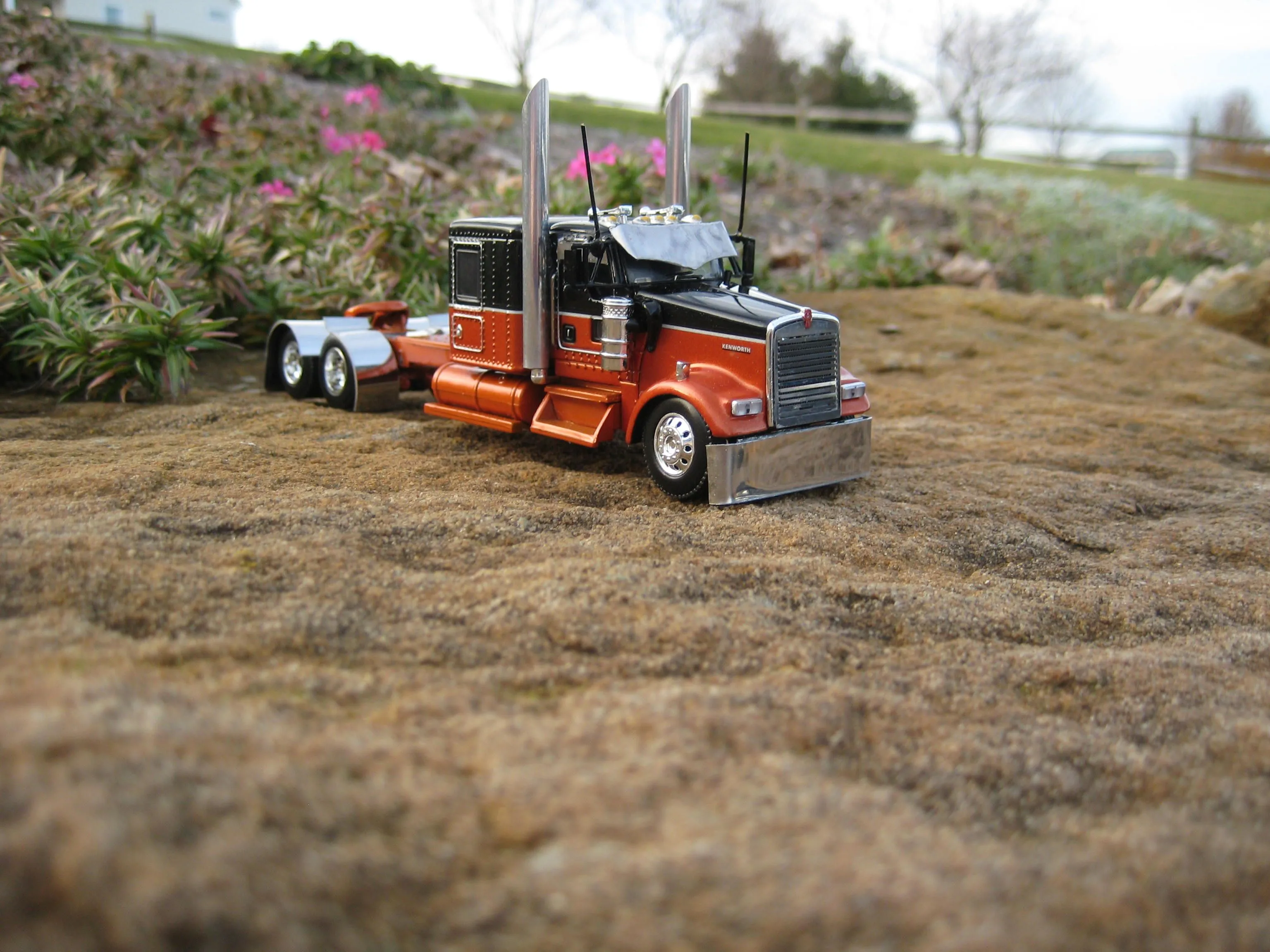
Choosing Your Diecast Truck
Embarking on the journey of building custom diecast trucks is an exciting endeavor. It is a hobby that merges creativity, precision, and a passion for vehicles. However, before you even think about the paint or the details, the first and arguably most crucial step is choosing the right diecast truck. This initial decision sets the foundation for your entire project, influencing everything from the complexity of the build to the final aesthetic. Consider what kind of truck you’re drawn to. Is it a classic pickup, a heavy-duty hauler, or perhaps a sleek sports truck? Your personal preference is key here. The truck you choose should inspire you and provide a solid starting point for your creative vision. This stage involves understanding different scales, types, and the overall condition of the base model.
Scale and Type Selection
Scale is one of the most important aspects when selecting your diecast truck. It dictates the size and the level of detail you can achieve. Common scales include 1:64, 1:43, and 1:24, each offering different levels of detail and complexity. Consider where you plan to display your finished model; larger scales, while more detailed, require more space. The type of truck also matters. Do you want a specific model like a Ford F-150, a semi-truck, or something more unique? The availability of parts, decals, and the level of customization possible will vary depending on the truck type. Researching various scales and types will help you make an informed decision that aligns with your vision and skill level.
Popular Diecast Truck Scales

Several scales are popular among diecast truck enthusiasts, each with its own advantages. 1:64 scale is a common choice due to its affordability and the wide variety of available models. It’s a great option for beginners and those with limited display space. 1:43 scale offers a balance between detail and size, allowing for more intricate customizations. 1:24 scale is the largest scale usually found, providing a high level of detail and allowing for more advanced modifications. This is often the scale of choice for serious collectors and customizers who want to showcase their skills. Choosing the right scale depends on your personal preference, budget, and the level of detail you aim to achieve.
Types of Diecast Trucks
The world of diecast trucks offers an impressive variety of types. From classic pickup trucks and modern semi-trucks to specialized vehicles such as construction trucks and monster trucks, the possibilities are vast. Each type presents unique opportunities for customization. Pickup trucks are excellent for experimenting with different paint schemes and accessories. Semi-trucks allow for elaborate detailing and the addition of custom trailers. Construction trucks provide a chance to simulate weathering and heavy-duty usage. Exploring various types can inspire your creativity. Consider the availability of parts and the specific challenges each type presents before making your final decision.
Design and Concept
Once you’ve chosen your base diecast truck, it’s time to develop your design concept. This is where your creativity truly shines. Think about the look, the theme, and the overall vibe you want to create. Do you envision a rugged off-road truck, a pristine show truck, or a themed vehicle inspired by a movie or a historical event? The design phase is where you translate your ideas into a tangible plan. This involves sketching, planning, and researching various design elements to ensure that your final product meets your expectations. Detailed planning in this stage saves time and effort later on, ensuring a cohesive and well-executed custom diecast truck.
Researching Design Ideas

Research is a crucial part of the design process. Look for inspiration from various sources. Online platforms like Pinterest, Instagram, and specialized forums for diecast truck customization are great resources for ideas. Study real-life trucks, custom builds, and various design styles. Pay attention to color schemes, decal placement, and the use of accessories. This research will inform your own design, allowing you to incorporate elements you admire and avoid common pitfalls. Collecting inspiration also helps you understand what is possible and what skills you will need to develop. Consider looking at custom truck shows, magazines, and other media to gather a wide range of ideas.
Sketching and Planning
Before you start modifying your diecast truck, sketching your design is a must. This can be done on paper or using digital design tools. Create multiple sketches to experiment with different ideas and layouts. Consider the overall appearance, including the color scheme, details, and accessories. Plan out the modifications you intend to make, such as changes to the body, wheels, and interior. Detailed planning will give you a clear roadmap and help you anticipate any challenges you might face during the build. Having a visual representation of your design will make the entire customization process smoother and more enjoyable.
Material Selection
Choosing the right materials is essential for the success of your custom diecast truck project. This includes selecting the appropriate paints, adhesives, and any additional materials you plan to use. High-quality paints are crucial for achieving a professional finish. Consider the paint type (enamel, acrylic, lacquer) and its compatibility with the diecast metal. Adhesives should be strong and suitable for the materials you are working with. For example, super glue is often used for small parts, while epoxy may be needed for more substantial modifications. Selecting the right materials is critical for durability and the aesthetic appeal of the final product.
Paint and Detailing

Painting and detailing are arguably the most rewarding parts of building a custom diecast truck. It’s where your vision comes to life. This step involves preparing the surface, applying the paint, and adding intricate details such as decals, weathering, and accessories. Proper preparation, including cleaning and priming, is critical for achieving a smooth, even paint finish. The detailing process adds depth, realism, and personality to your model. Careful attention to detail is key to creating a stunning and professional-looking custom diecast truck. This phase requires patience, precision, and a steady hand.
Choosing the Right Paints
The choice of paint significantly impacts the final look of your diecast truck. Acrylic paints are water-based, easy to use, and dry quickly. Enamel paints provide a durable finish but take longer to dry and require the use of solvents. Lacquer paints offer a high-gloss finish and dry rapidly, but they can be more challenging to apply. Consider factors such as the color, finish (matte, satin, gloss), and the application method (brush, airbrush). Always test the paint on a small, inconspicuous area of the model before applying it to the entire surface to ensure compatibility and the desired outcome. Use of primer is also recommended before painting for better paint adhesion and to cover any imperfections on the surface.
Applying Decals and Details
Decals and details are essential for adding realism and personality to your custom diecast truck. Decals can represent logos, graphics, or custom designs, while details include small accessories like mirrors, lights, and interior features. Applying decals requires precision; use decal setting solutions to help them conform to the model’s surface. For details, use appropriate adhesives and tools. Painting small details by hand or using fine-tipped brushes can significantly enhance the model’s realism. Weathering techniques, such as dry brushing and washes, can be used to simulate wear and tear, adding an extra layer of authenticity. Patience and attention to detail are key to creating a lifelike model.
Assembly and Customization

Assembly and customization are the core of building your custom diecast truck. This stage involves disassembling the base model, making modifications, and reassembling the truck with your new parts and details. This is where you’ll employ your skills and creativity to transform the stock model into a unique creation. It requires the use of various tools, careful handling, and a methodical approach. Whether you’re swapping wheels, adding custom bumpers, or modifying the interior, this is your opportunity to make your vision a reality. Proper planning and preparation in the design phase will make this process much smoother.
Tools and Equipment
Having the right tools and equipment is essential for a successful custom diecast truck build. Basic tools include a hobby knife, screwdrivers, pliers, and tweezers. For painting, you may need an airbrush, paintbrushes, and a mixing palette. Other helpful tools include a Dremel or rotary tool for cutting and sanding, a heat gun for removing decals, and a variety of clamps for holding parts together. A well-organized workspace and proper lighting will also make the process easier and more enjoyable. Safety gear, such as safety glasses and a dust mask, is also a must. Investing in quality tools will improve the quality of your work and make the process more efficient.
Modifying Parts
Modifying parts is often necessary to achieve the desired look for your custom diecast truck. This might involve cutting, sanding, drilling, or adding aftermarket parts. Use a hobby knife, rotary tool, or sandpaper to make precise cuts and remove material. Ensure the modifications are accurate to avoid damaging the model. Always test-fit parts before gluing or painting. Some modifications might require the use of specialized tools, such as a soldering iron for electrical work or a milling machine for precise detailing. Take your time, work carefully, and double-check your measurements before making any permanent changes.
Display and Preservation

Once your custom diecast truck is complete, displaying and preserving it is crucial. Your work deserves to be showcased and protected. Proper display and preservation will keep your model looking its best for years to come. Consider the location, lighting, and storage to ensure your models are protected from dust, damage, and environmental factors. This final stage ensures that your hard work is appreciated and well-maintained.
Protecting Your Custom Diecast Truck
To protect your custom diecast truck, start by storing it in a dust-free environment. Display cases with glass or acrylic covers are ideal for preventing dust accumulation. Avoid direct sunlight, as it can fade the paint and decals. Consider using a UV-resistant display case for added protection. When handling your model, do so with clean hands to prevent oil and dirt from damaging the finish. If you need to clean the model, use a soft brush or cloth and avoid harsh chemicals. Regular maintenance and careful handling are key to preserving your custom diecast truck’s beauty and value.
Displaying Your Collection
How you display your collection can significantly enhance its presentation. Use display cases, shelves, or custom-built dioramas to showcase your models. Arrange your trucks by scale, type, or theme. Consider the lighting; spotlights or LED strips can highlight the details and colors of your models. Use backdrops and accessories to create a visually appealing display. Take advantage of different levels and angles to create visual interest. Share your display on social media to connect with fellow enthusiasts and show off your creations. A well-designed display enhances the enjoyment of your custom diecast truck collection.
Where to Find Resources

Finding reliable resources is essential when building custom diecast trucks. Online forums, social media groups, and dedicated websites provide valuable information, tutorials, and inspiration. Local hobby shops are great places to find tools, materials, and expert advice. Attend model shows and events to connect with other enthusiasts and learn about new techniques and products. Look for YouTube channels and blogs that offer step-by-step guides and reviews. Always be open to learning and experimenting. The more resources you use, the more knowledgeable and skilled you will become in the world of custom diecast trucks. Embrace the community, learn from others, and never stop exploring new possibilities.