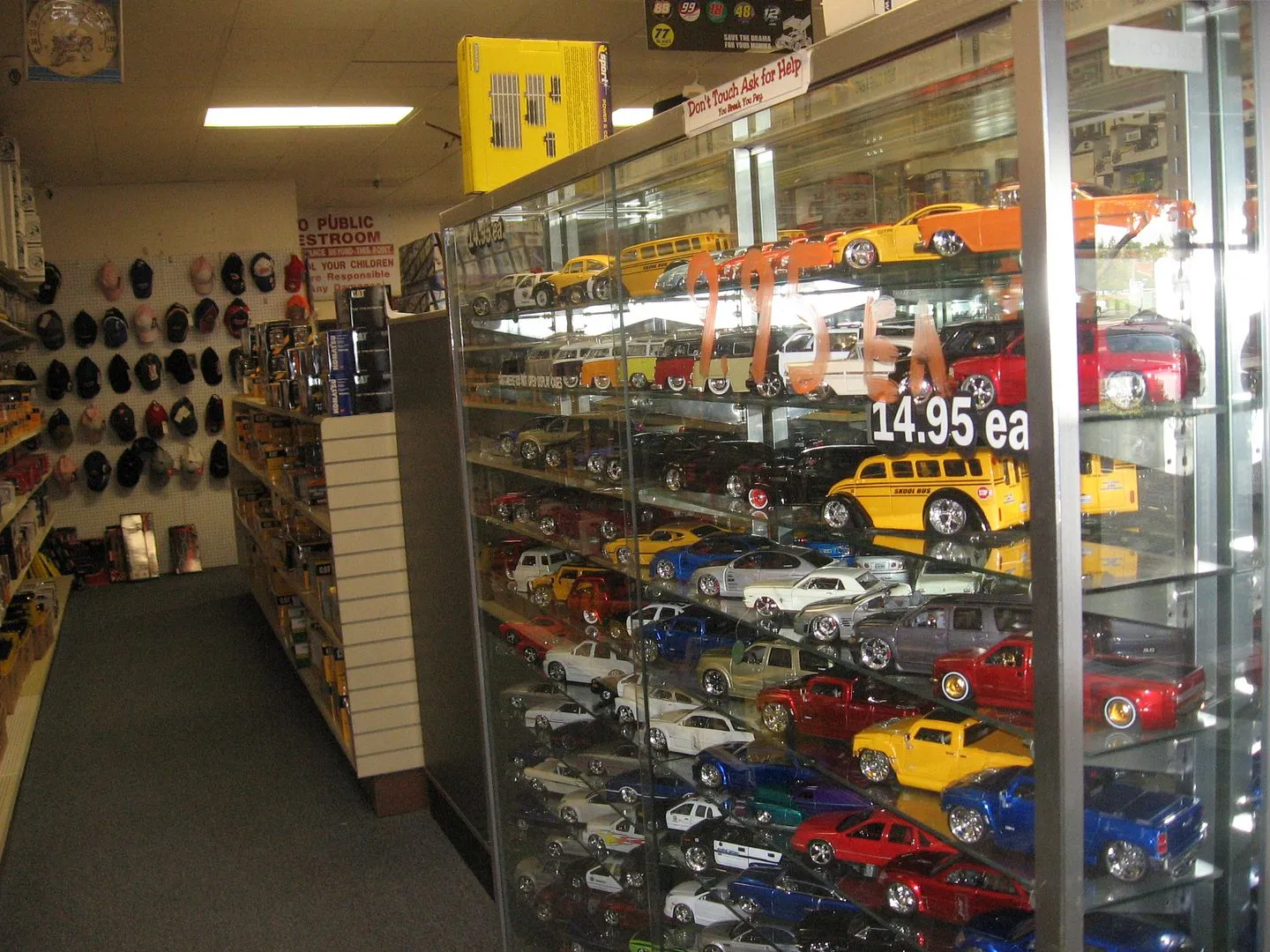
What is a Diecast Car?
Diecast cars are miniature models of vehicles, typically made from metal, and are a beloved hobby for enthusiasts of all ages. These finely crafted replicas capture the essence of real-life automobiles, trucks, and other vehicles in remarkable detail. The term “diecast” refers to the manufacturing process where molten metal, usually zinc alloys, is injected into molds under high pressure. This process allows for intricate designs and high levels of precision, making diecast cars highly sought after by collectors. Whether you’re a seasoned collector or a complete beginner, the world of diecast cars offers a fascinating blend of history, craftsmanship, and the sheer joy of collecting. Each model tells a story, and the range of vehicles available is incredibly diverse, spanning everything from classic cars to modern supercars and beyond. The quality of detail and the realism achieved in diecast models is a testament to the skills of the manufacturers and the passion of the collectors.
The History of Diecast Cars
The history of diecast cars dates back to the early 20th century. The earliest diecast models were simple toys, but they quickly evolved into more detailed and accurate representations of real vehicles. The first diecast cars were primarily made of lead, but as the industry progressed, materials like zinc alloys became more common. The rise in popularity coincided with the growth of the automobile industry, providing a perfect opportunity to produce miniature versions of the latest cars. Early manufacturers focused on creating durable and affordable toys. The 1930s saw the emergence of companies like Dinky Toys in England, who quickly set the standard. After World War II, the industry experienced a boom, with new companies entering the market and innovation in design and manufacturing. The mid-20th century saw increased competition and diversification, with various scales and levels of detail becoming available. Today, diecast cars represent a mature industry, with a rich history and a vibrant community of collectors.
Early Days and Development

The inception of diecast cars was rooted in the need for durable and affordable toys. Initially, the production methods were basic, and the models were relatively simple in their design. The materials available were limited, but the goal was to create toys that could withstand the wear and tear of children’s play. Companies like Dinky Toys pioneered many techniques, producing models that were robust and relatively accurate in their representation of vehicles. The development of diecasting technology itself was crucial to the growth of the industry. This method allowed for the creation of complex shapes and intricate details that were impossible with earlier manufacturing methods. As technology advanced, so did the quality and realism of the models, setting the stage for the highly detailed replicas of today. This early development period laid the groundwork for the diverse and competitive market we see today.
Key Manufacturers and Brands
Several manufacturers have become synonymous with quality and collectibility in the world of diecast cars. Dinky Toys was one of the earliest and most influential brands, setting the standard for model quality. Corgi Toys, another British company, also gained prominence for its detailed and often innovative models. In the United States, brands like Tootsietoy and Matchbox were important in the market. Matchbox, in particular, became famous for its small-scale models. In recent decades, brands like Hot Wheels and Greenlight have gained popularity, particularly for their specialized models and collaborations. These key manufacturers have shaped the industry through their commitment to quality, innovation, and responsiveness to collector demands. Their ongoing contributions help to ensure that the diecast hobby remains vibrant and relevant. Collectors often have favorite brands and seek out specific models from these manufacturers to build their collections. Their legacy continues to influence the diecast market today.
Types of Diecast Cars
Diecast cars come in an astounding variety of types, reflecting the vast array of vehicles in the real world. From classic automobiles and race cars to trucks, construction equipment, and even military vehicles, there is a diecast model for every interest. The most common types include replicas of vintage cars, modern sports cars, and iconic vehicles from popular culture. Many collectors specialize in specific vehicle types, such as muscle cars or European sports cars. There are also significant segments for trucks and commercial vehicles. The variety in the diecast car market is continually expanding, with new models and variations released regularly. This diversity keeps the hobby fresh and exciting. The choice of vehicle type often depends on personal preference, historical significance, and current trends. Each type has its own characteristics and appeal. Whether you’re interested in the elegance of classic cars or the speed of modern race cars, there is a diecast model for you.
Scale and Size

Diecast cars are produced in various scales, with each scale representing a specific ratio to the actual vehicle. The most common scales are 1:18, 1:24, 1:43, and 1:64. The scale refers to the proportion of the model to the original vehicle. For example, a 1:18 scale model is eighteen times smaller than the real car. Larger scales, such as 1:18, typically offer more detail and are often preferred by serious collectors. These models usually feature opening doors, detailed interiors, and realistic paint finishes. Smaller scales, like 1:64, are popular for their affordability and ease of display. Matchbox and Hot Wheels primarily use this scale. The choice of scale often depends on the collector’s preferences, available space, and budget. The scale of a model also impacts the level of detail and the overall cost. Different scales cater to different collecting styles and interests.
Materials Used in Diecast
The primary material used in diecast cars is metal, typically a zinc alloy. This metal is ideal for diecasting due to its low melting point and ability to capture intricate details. Zinc alloys provide durability and allow for high-precision manufacturing. Other materials are also used to enhance the realism and functionality of the models. These include plastics for interior details, tires, and other components; rubber for tires; and glass or clear plastic for windows and lights. The combination of materials ensures that the model is both accurate and aesthetically pleasing. The quality and type of materials used can greatly affect the value and collectibility of the model. High-quality materials, like premium plastics and precisely molded parts, are often found in more expensive models. The selection and use of materials is a critical aspect of diecast car production, contributing significantly to the final look and feel.
Metal Alloys and Manufacturing Process
The diecasting process involves injecting molten metal, usually a zinc alloy, into a mold under high pressure. The mold is typically made of steel, and the molten metal quickly solidifies to form the basic shape of the car. The diecasting process allows for intricate designs and high levels of precision. Once the metal cools and solidifies, the model is removed from the mold, and any excess material is trimmed away. The process is highly efficient, allowing for mass production of detailed models. The metal alloys are chosen for their strength, durability, and ability to take fine detail. The manufacturing process also includes painting, the application of decals, and the assembly of all the various parts. This intricate manufacturing process ensures that each diecast car is a miniature work of art, capturing the essence of the real-life vehicle in remarkable detail.
Collecting Diecast Cars

Collecting diecast cars is a rewarding hobby that blends history, artistry, and passion for vehicles. Collectors come from all walks of life, united by their shared interest in these miniature models. The reasons for collecting are as varied as the cars themselves. Some collectors are drawn to the nostalgia of childhood memories, while others appreciate the craftsmanship and detail of the models. For many, collecting is a way to connect with their passion for cars, whether it’s classic cars, modern supercars, or other types of vehicles. The collection process often involves searching for specific models, attending shows, and connecting with other collectors. The community aspect is a major part of the hobby, with collectors sharing information and building relationships. Collecting diecast cars can be a lifelong passion, offering the joy of acquiring and displaying these finely crafted models.
Starting Your Collection
Starting a diecast car collection involves careful planning and a good understanding of the market. It starts with identifying your collecting focus, deciding the types of vehicles and scales that interest you the most. This will help to narrow your search and make it easier to build a cohesive collection. Consider your budget when starting, as the prices of models can vary significantly. Start with a small number of models and gradually expand your collection over time. Research is key; learn about the different brands, manufacturers, and the history of the models you are interested in. Attend local car shows and events to see what models are available and to network with other collectors. Develop a storage and display plan, as your collection grows. The joy of collecting diecast cars lies in the journey. By following a few simple steps, you can start your journey into the world of collecting these miniature marvels.
Factors Affecting Value
The value of a diecast car is determined by several factors, including rarity, condition, and manufacturer. Rare models, particularly those produced in limited quantities or that have been discontinued, tend to command higher prices. The condition of the model is critical; mint-in-box models in perfect condition are highly sought after. The brand of the model affects its value, with premium brands often commanding a higher price. Historical significance can also increase the value of a model. Models of classic cars or vehicles that are connected to important events often fetch high prices. Collectors also look at the level of detail, the accuracy of the model, and any special features. The market and current collector trends affect the value. Demand is the driving force. The value of a diecast car can increase over time. Careful attention to these factors will help you to assess the value of any model.
Where to Buy Diecast Cars

Diecast cars can be purchased through various channels, both online and in brick-and-mortar stores. Online marketplaces, such as eBay and specialized diecast car websites, offer a wide selection and the convenience of shopping from home. Local hobby shops and toy stores often carry a good selection of models. These stores are a great way to see the models in person before buying. Car shows and swap meets provide opportunities to find rare models and connect with other collectors. Diecast dealers specialize in these cars and can offer expert advice and hard-to-find models. The choice of where to buy depends on your preferences and collecting goals. Each channel has its own benefits and drawbacks. Whether you prefer the convenience of online shopping or the personal touch of a local dealer, the world of diecast cars offers something for everyone.
Online vs Brick-and-Mortar Stores
Online stores offer a vast selection of diecast cars, often at competitive prices. These platforms allow you to browse a wide range of models from different manufacturers, with detailed photos and descriptions. They often offer the convenience of home delivery. The downsides of online shopping are that you cannot physically inspect the model before buying. The quality of the model is dependent on the seller’s description, and it’s important to check their feedback. Brick-and-mortar stores provide the opportunity to inspect the models. The staff can offer expert advice and assistance. You can see the models in person, assessing their condition and details. The selection in physical stores might be smaller than what is available online. The prices may be higher. Both options offer unique advantages. Consider the convenience, selection, and the opportunity to inspect models before making your decision.
Diecast Dealer: Benefits and Risks
Working with a diecast dealer offers several benefits, particularly for serious collectors. Dealers have specialized knowledge and expertise about the market, which can help you find rare and valuable models. They often have access to exclusive items and can assist with finding specific models. Dealers can provide advice on collecting, grading, and the current value of the model. The primary risk is the potential for inflated prices. It’s essential to research market values and to be aware of the prices before making a purchase. Always work with a reputable dealer who has a strong reputation. Another risk is dealing with damaged or misrepresented models. Inspect the models and ensure that they meet your standards before committing to a purchase. By understanding the benefits and risks, you can make informed decisions and enjoy a successful collecting experience. A good diecast dealer can be an invaluable resource for any collector.
Maintaining and Caring for Your Collection

Maintaining your diecast car collection is essential for preserving its value and ensuring its longevity. Proper care includes protecting your models from dust, sunlight, and extreme temperatures. Dust can accumulate on the models and scratch their surfaces. Sunlight can cause paint to fade. Store your models in a cool, dry place, away from direct sunlight. Handle your models with care. Avoid touching the surfaces with your bare hands to prevent fingerprints and oils. If you need to clean them, use a soft cloth or a specialized diecast car cleaning solution. Regular maintenance, along with appropriate storage and handling, will help your collection to maintain its pristine condition and value. By taking care of your diecast cars, you will ensure that they provide many years of enjoyment.
Cleaning and Storage
Cleaning your diecast cars is a delicate process that requires the right tools and techniques. Start by using a soft, lint-free cloth to gently wipe away any dust or debris. For more thorough cleaning, you can use a small amount of specialized diecast car cleaning solution. Avoid using harsh chemicals or abrasive cleaners. These can damage the paint and the surface of the model. Storage is also crucial. Store your diecast cars in a cool, dry, and dark place. If you’re using display cases, make sure they are dust-proof and protect your models from sunlight. You can also store your models in their original boxes to provide extra protection. Consider using acid-free tissue paper to wrap each model and protect its surface. By following these steps, you can preserve the quality of your collection for years to come.
Displaying Your Diecast Cars
Displaying your diecast car collection is a great way to showcase your passion and enjoy your models. There are many display options. You can use display cases, shelves, or custom-built cabinets. The choice of display depends on your budget, available space, and personal style. Consider the lighting when you design your display. Proper lighting can enhance the details of your models. Avoid direct sunlight, as it can cause the paint to fade. Arrange your models thematically by brand, model type, or color. Consider a layout that is visually appealing and easy to browse. Some collectors choose to display their models in dioramas, creating realistic scenes. By taking care in how you display your collection, you can create a visually stunning and engaging presentation that will enhance your enjoyment of your diecast cars.
Joining the Diecast Community

Joining the diecast car community can significantly enhance your collecting experience. This community offers a wealth of knowledge, support, and opportunities to connect with fellow enthusiasts. Participating in forums, online groups, and local clubs provides a space to discuss the hobby, share information, and show off your collection. Meeting other collectors allows you to exchange ideas, learn from their experiences, and potentially acquire rare models. The sense of community adds a social dimension to the hobby. Joining the diecast community can be a rewarding experience. You’ll make new friends, and expand your knowledge and enjoyment of diecast cars.
Online Forums and Clubs
Online forums and clubs are excellent resources for diecast collectors. These communities provide platforms for discussing different aspects of collecting. You can exchange information, ask questions, and share your collection with others. Participating in these online communities allows you to stay updated on the latest trends, new releases, and market prices. Many forums have dedicated sections for specific brands or scales. You can find help with identifying rare models and learn about collecting tips. Local diecast clubs offer opportunities to meet other collectors in person. They often host meetings, car shows, and swap meets. These groups offer a more personal and interactive experience, fostering close connections. By actively participating in these groups, you can enrich your knowledge and appreciation of diecast cars and enhance your collecting journey.
Diecast Car Shows and Events
Diecast car shows and events are central to the hobby, providing opportunities to connect with other collectors, buy models, and showcase your collection. These events bring together dealers, collectors, and enthusiasts. They offer a wealth of models for sale. The shows often have competitions, raffles, and workshops. Attending car shows allows you to see the models in person, assess their condition, and interact with other collectors. Swap meets are also popular events. They offer opportunities to find rare and vintage models. Diecast car shows are a great way to stay connected with the community. You can also find new models. These events provide a dynamic and engaging experience for anyone passionate about collecting diecast cars. By attending these shows, you will be able to enjoy the community.