What are Diecast Cars
Diecast cars are miniature replicas of real-life vehicles, meticulously crafted from metal, primarily zinc alloy, and other materials. They are a popular hobby enjoyed by enthusiasts of all ages, offering a tangible connection to automotive history and design. Diecast cars come in a variety of scales, from the tiny to the very large, and represent a vast range of vehicles, from classic cars and race cars to trucks and modern vehicles. The level of detail in these models can be astonishing, with many featuring realistic interiors, opening doors, and detailed engine compartments. The popularity of diecast cars spans the globe, with collectors often specializing in certain brands, scales, or types of vehicles, creating diverse and valuable collections.
Overview of Diecast Cars
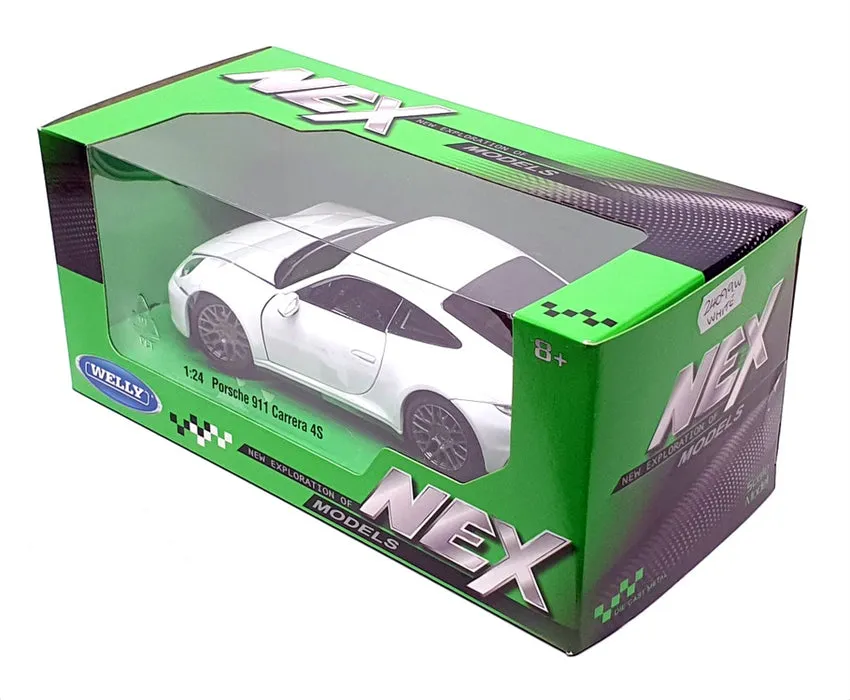
The world of diecast cars is incredibly diverse. The most common scale is 1:18, offering a good balance of detail and size, but other scales, such as 1:64 (Hot Wheels, Matchbox) and 1:43, are also widely collected. The manufacturing process typically involves pressure casting molten metal into molds. This allows for intricate details to be captured, from the shape of the body to the texture of the tires. After casting, the models are often painted with meticulous care, and various accessories are added, such as mirrors, wipers, and even miniature license plates. Manufacturers like Welly and Nex offer a range of affordable and detailed models, making them popular choices for both new and experienced collectors. The diecast car industry is always evolving, with new models and features emerging constantly.
Why Collect Diecast Cars

Collecting diecast cars provides a unique blend of passion, investment potential, and community. For many, the appeal lies in the nostalgia associated with particular cars, brands, or eras. Others are drawn to the meticulous detail and craftsmanship involved in creating these miniature masterpieces. Diecast car collecting can also be a surprisingly savvy investment, with rare models and limited editions often appreciating in value over time. Collectors often participate in online forums and clubs, connecting with others who share their passion, trading models, and sharing knowledge. The hobby provides a fulfilling way to express individuality, appreciate design, and build a collection that reflects personal interests and preferences. Whether you’re a seasoned collector or just starting, the world of diecast cars offers something for everyone.
Top 7 Buying Tips for Diecast Cars
Research and Planning
Before diving into the world of diecast car collecting, it’s essential to do your homework. Researching different brands, scales, and models will help you refine your interests and develop a collecting strategy. Understanding the market, including current trends and prices, is crucial for making informed buying decisions. Start by identifying the types of vehicles that appeal to you most. Are you interested in classic cars, race cars, or modern vehicles? Considering factors like rarity, condition, and manufacturer reputation will help you narrow your focus and avoid impulse buys. The more you know about the hobby, the more enjoyable and rewarding your collecting experience will be.
Define Your Collection Goals

Setting clear collection goals is the first step. Consider the type of vehicles you want to collect, your budget, and the scale you prefer. Defining your goals helps guide your purchases and prevents you from spreading your resources too thinly. Are you aiming for a comprehensive collection of a specific car manufacturer, or are you more interested in a diverse array of vehicles? Decide whether your collection will be focused on a particular era, scale, or genre of car. Defining your goals makes it easier to locate specific models and maintain a cohesive collection. A well-defined collection is also more appealing to other collectors and potential buyers in the long run.
Set a Budget
Establish a realistic budget. Diecast cars can range from affordable to extremely expensive. Determine how much you are willing to spend on each model and stick to it. Consider both the initial purchase price and any associated costs, such as shipping and storage. It’s easy to get carried away, so setting a budget ensures you don’t overspend. Start small and gradually increase your budget as you become more experienced. Monitoring your spending and tracking the value of your collection will help you stay organized and make informed decisions about future purchases.
Authenticity Verification
Authenticity is paramount in diecast car collecting. Ensure the models you buy are genuine and not replicas or fakes. Familiarize yourself with the identifying characteristics of the brands and models you are interested in. This includes details like manufacturer markings, paint quality, and the presence of any included accessories. Counterfeit diecast cars are on the rise, so it’s essential to develop your ability to spot them. Buying from reputable dealers or collectors with established track records is one of the best ways to guarantee authenticity. Scrutinize photos, read reviews, and ask for detailed information from the seller before making a purchase. Being vigilant can save you from disappointment and protect your investment.
Examine Details

Pay close attention to the details. Examine the paint job for imperfections, such as bubbles, drips, or unevenness. Check the model for any missing parts, loose components, or damage. Inspect the interior, paying particular attention to the dashboard, seats, and steering wheel. Assess the quality of the tires and wheels. A high-quality diecast car will have crisp, clean detailing and a well-executed finish. Comparing a model to pictures of authentic versions online can also help you identify any discrepancies. Detailed examination will help you evaluate the overall quality and authenticity of the diecast car before buying it.
Check Packaging
The packaging of a diecast car can significantly impact its value. Collectors often prefer models that come with their original boxes and packaging. Check the box for any signs of damage, such as tears, creases, or fading. Ensure that the packaging matches the model, including the correct manufacturer and model year. Original packaging protects the car from damage and adds to its collectibility. If the box is missing or damaged, it can decrease the value of the diecast car. Carefully examine the box’s condition before deciding on a purchase. Packaging is an essential element of the overall experience.
Understand Scale and Size
Diecast cars come in a variety of scales, and understanding these scales is crucial for any collector. Common scales include 1:18, 1:24, 1:43, and 1:64. Each scale represents a different proportion of the actual vehicle’s size. Knowing the scale will help you determine the size of the model, enabling you to envision the cars in your collection and how they might fit in your display area. Research and decide which scales you prefer. It will also help you find the models you want. Mixing scales can lead to an inconsistent collection that detracts from the overall aesthetic and value. Focusing on a specific scale will make your collection more organized and visually appealing.
Common Scales Explained

1:18 scale models offer great detail and are usually a good size. 1:24 scale models are slightly smaller but still offer good detail. 1:43 scale is smaller, making these models ideal for those who want to save space. 1:64 scale is the smallest, and these are often very affordable and easily collected. Knowing the dimensions of each scale will allow you to better plan your display. Popular brands like Welly often produce models in 1:24 and 1:18 scales, while others, like Hot Wheels, specialize in 1:64. Your collection could use the brands that you are most interested in.
Scale and Detailing
The scale of a diecast car often influences the level of detailing. Larger scales, like 1:18, generally allow for more intricate details, such as opening doors, detailed engine compartments, and accurate interior features. Smaller scales might sacrifice some detail for affordability and ease of collecting. Consider your priorities. If detailing is essential, choose a larger scale. If you are concerned with storage space or budget, smaller scales will be appropriate. Pay attention to the level of detail in the models. Some manufacturers will add details such as seatbelts, accurately replicated dashboard instruments, and miniature emblems.
Where to Buy
Finding diecast cars is an adventure. Online marketplaces, local diecast shops, and collectible shows are all potential sources. Each option has its advantages and disadvantages. When buying, weigh the value of each car and consider the source’s reliability. Finding the right source will greatly increase your chances of making successful purchases and building a collection you’ll be proud of.
Online Marketplaces

Online marketplaces offer a vast selection of diecast cars. Platforms like eBay, Amazon, and dedicated diecast car websites provide access to a broad range of models from various sellers. Online marketplaces allow you to compare prices. Be sure to research sellers and read feedback to ensure they are trustworthy. Before making a purchase, carefully review the product description, photos, and seller’s return policy. Many online marketplaces provide buyer protection programs, which can help resolve disputes. Check shipping costs and estimated delivery times, particularly for models that are located internationally.
Local Diecast Shops
Local diecast shops offer a more hands-on experience. Visiting a brick-and-mortar store allows you to inspect the models in person. This is a great way to check for damage and assess the overall quality of the diecast cars. You can also develop a relationship with the shop owner, who can provide valuable advice and help you find rare models. Local shops often host collector events, where you can meet other enthusiasts and learn about the hobby. They are also the place to find a great deal on cars from manufacturers like Welly and Nex. Check the shop’s return policy and warranty before making a purchase.
Condition Matters
The condition of a diecast car dramatically influences its value. Models in mint condition, with their original packaging, are typically more desirable than those with wear and tear. When evaluating a model, carefully assess its paint and finish, inspecting for scratches, chips, or any other defects. Pay attention to the functionality of moving parts, such as doors, hoods, and wheels. Ensure that all components are present and secure. Understanding how to grade and assess the condition of diecast cars can protect your investment and enhance the value of your collection.
Assess Paint and Finish

The paint and finish are a crucial aspect of the condition. Examine the paint job for any imperfections, such as bubbles, drips, or uneven coverage. Ensure the finish is consistent and free from scratches, fading, or discoloration. Diecast cars with original, undamaged paint are usually valued more highly. If a model has been repainted, its value might be significantly reduced. Carefully inspecting the paint and finish is a must to protect your investment. Look for the paint and finish to be the same throughout the car, with the proper level of detail.
Inspect for Damage
Inspect the model for any damage, such as dents, scratches, or broken parts. Check the wheels, axles, and suspension for any signs of wear or malfunction. Verify that all the original components are present and securely attached. A diecast car in pristine condition is more likely to retain or increase its value over time. Be sure to view all angles of the car. Do your best to make sure that the car is in the condition that matches your needs. Look for any imperfections, such as damage to the glass.
Storage and Care
Proper storage and care are essential for preserving the value and condition of your diecast cars. Protect your collection from dust, sunlight, and extreme temperatures. Dust can accumulate on models, dulling their appearance. Sunlight can cause fading and damage the paint. Extreme temperatures can warp the metal and damage the parts. By taking simple steps, such as proper display and environmental controls, you can ensure that your models remain in excellent condition for years to come.
Proper Display
Display your diecast cars in a manner that enhances their appeal and protects them from damage. Display cases, shelves, and display boxes are all excellent options. Ensure your display area is clean and well-lit. Avoid placing models in direct sunlight or near heat sources. Rotating your display regularly can give your collection a fresh look. You can categorize your collection based on brand, model, or era. Grouping models by themes can also create a visually appealing display. Choose a display method that suits your collecting style and space constraints.
Protect from Dust and Sunlight
Dust and sunlight can degrade the appearance of your diecast cars. Use display cases with glass or acrylic covers to protect against dust. Periodically clean your models with a soft brush or cloth to remove any accumulated dust. Place your display area away from direct sunlight or use window coverings. If the sunlight comes directly onto the diecast car, it could lose its value. Exposure to sunlight can cause the paint to fade and the plastic components to become brittle. By taking these simple precautions, you can extend the lifespan and value of your diecast collection. Store your diecast cars carefully and keep them safe.
Value and Appreciation
Understanding how value and appreciation work is essential for any diecast car collector. Several factors can influence the value of a diecast car, including its rarity, condition, and the demand for a particular model. Some diecast cars appreciate in value over time, making them a potentially lucrative investment. Research the current market and stay informed about trends to maximize your investment potential. Diecast car collecting can also provide an emotional benefit. Many collectors enjoy the thrill of discovering a rare model or seeing their collection grow.
Factors Influencing Value
Several factors affect the value of diecast cars. Rarity, condition, and demand for specific models are key drivers. Limited edition models or those produced in small quantities tend to be more valuable. Mint-condition models with original packaging are highly sought after. The popularity of a specific brand, make, or model can also significantly affect its value. Keep a close eye on market trends and the values of various models. Understanding these factors helps you make informed decisions about purchasing and collecting.
Rarity and Limited Editions
Rarity and limited editions greatly impact value. Diecast cars produced in small quantities or as exclusive releases are often more valuable than mass-produced models. Limited editions frequently feature unique paint schemes, details, or packaging. Identifying and acquiring rare models can significantly increase the overall value of your collection. Keep up to date with the latest releases and the production numbers. This helps you identify potentially valuable additions to your collection. Collectors often seek out limited editions, making these models a prime investment opportunity.
Market Trends
Market trends play a significant role in the value of diecast cars. The popularity of specific brands, models, or scales can fluctuate. Stay informed by following online forums, attending collector shows, and consulting price guides. Knowing current market trends allows you to make informed decisions about which models to collect and when to sell. The value of diecast cars can fluctuate. Keeping up with these changes will help you maximize your investment returns. Follow collector news to stay current with new developments.
Conclusion
Collecting diecast cars is an enjoyable hobby that can provide a lifetime of satisfaction. By following these top 7 buying tips – researching, defining collection goals, setting a budget, verifying authenticity, examining details, understanding scale, and taking care of your collection – you can build a valuable and rewarding collection. Remember to stay informed about market trends, connect with other collectors, and most importantly, enjoy the process. Whether you’re a seasoned collector or just starting, the world of diecast cars offers something for everyone, with the added benefit of potential investment value and the joy of sharing your passion with others. Happy collecting!