What Are Diecast Cars
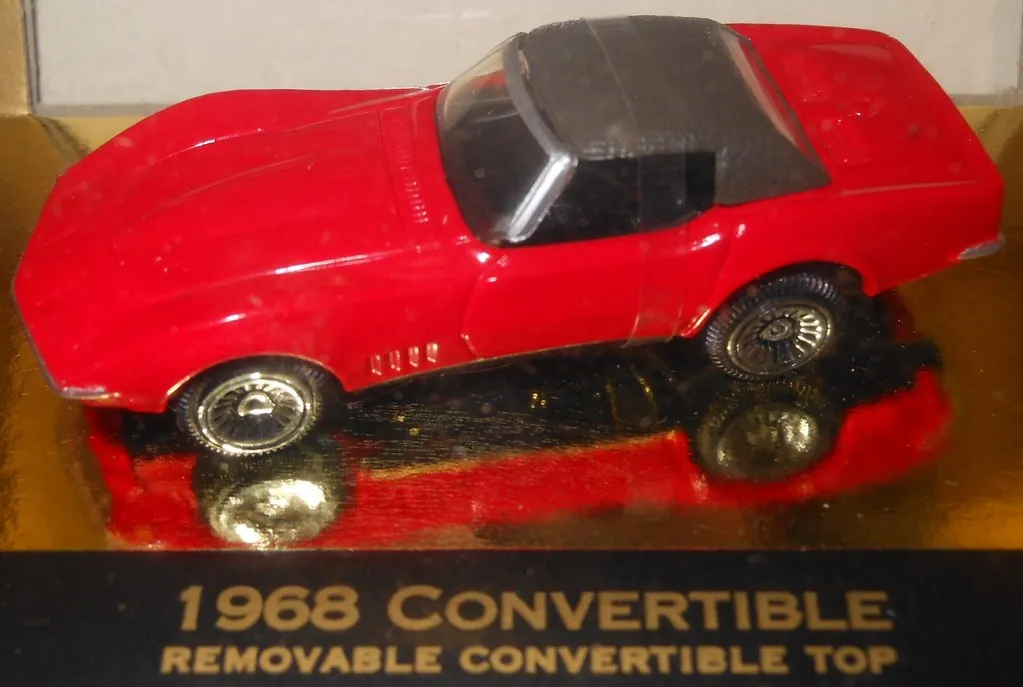
Diecast cars are miniature vehicles made using a die-casting process, where molten metal is poured into molds to create detailed replicas of real-life automobiles. These models are typically made from zinc alloys, offering a durable and detailed representation of cars, trucks, and other vehicles. The appeal of diecast cars spans generations, captivating enthusiasts with their intricate designs and the ability to collect a diverse range of vehicles, from classic vintage cars to modern supercars. They represent a tangible piece of automotive history and design.
The Appeal of Diecast Cars
The appeal of diecast cars is multifaceted, drawing in collectors for various reasons. For many, it’s the nostalgia they evoke, reminding them of childhood memories or significant moments in their lives. For others, it’s the meticulous detail and craftsmanship involved in recreating these miniature vehicles, appreciating the artistry and skill required to capture the essence of the original cars. Diecast cars also provide an accessible way to own and appreciate vehicles that might be otherwise unattainable. The variety is impressive, making it easy to find cars representing personal interests.
Why Collect Diecast Cars?

Collecting diecast cars offers numerous benefits, including the development of organizational and research skills as collectors seek out specific models and learn about their history. It offers a community, as collectors often connect with others through clubs, online forums, and shows, creating friendships and sharing knowledge. The value of some diecast car collections can increase over time, making it a potentially rewarding investment. Additionally, it provides a satisfying hobby that offers relaxation and a sense of accomplishment.
Getting Started with Diecast Cars
Starting a diecast car collection can be an enjoyable and rewarding endeavor. Begin by researching the different scales, types of vehicles, and brands to determine your interests and preferences. Set a budget to manage spending, and establish a system for tracking your collection. It’s wise to decide on a specific theme or focus for your collection, such as classic cars, race cars, or trucks, making it easier to narrow down your choices and build a cohesive collection. This focus will guide your purchases and help you build a collection that you truly enjoy.
Choosing Your Scale
Choosing the right scale is a fundamental decision for any diecast car collector, as it influences the size, detail, and cost of the models you collect. Scales refer to the ratio between the model’s size and the size of the real car. Common scales include 1:18, 1:24, 1:43, and 1:64. Each scale offers different advantages regarding detail, price, and available space for display. Selecting a scale should align with your collecting goals, available display space, and budget. Consider the level of detail, as smaller scales often have less detailed features compared to larger ones.
Popular Scales

Several scales are especially popular among diecast car collectors. The 1:18 scale provides a good balance between size and detail, making it a favorite for displaying models with intricate features. The 1:24 scale is also well-liked, offering a slightly smaller and often more affordable option. The 1:43 scale is popular because it allows collectors to amass larger collections due to the models’ smaller size, making it ideal for those with limited space. Finally, the 1:64 scale, often referred to as ‘Hot Wheels’ or ‘Matchbox’ size, is very common due to its affordability and wide availability.
Factors Affecting Scale Choice
Several factors influence your choice of scale. Space is a significant consideration, as larger scales require more display area. Detail level varies; larger scales usually provide finer details, which can be a key factor for detail-oriented collectors. Budget constraints also play a role, with smaller scales generally being less expensive. Additionally, the type of vehicles you want to collect may influence your choice; some scales may feature a wider variety of certain car types. Decide which factors are most important for your collection goals before making your final selection.
Selecting Your First Diecast Cars
When selecting your first diecast cars, begin by choosing models that appeal to you, whether they are classic cars, modern sports cars, or vehicles from your childhood. Research different brands and manufacturers, comparing their quality and attention to detail. Start small, focusing on a few well-chosen models rather than trying to acquire many at once. Look for cars with features that interest you, such as detailed interiors, opening doors, and accurate paint jobs. Consider the availability of replacement parts if you plan to customize or maintain your models.
Types of Diecast Cars

Diecast cars come in various types, catering to different collector preferences. There are classic cars, representing historical models from different eras. Modern sports cars and supercars attract those interested in contemporary automotive design and performance. Race cars are popular, with detailed recreations of iconic vehicles from Formula 1, NASCAR, and other racing series. Trucks and commercial vehicles offer a different collecting niche, with models of delivery trucks, construction vehicles, and more. Military vehicles provide a unique historical perspective, and custom cars appeal to those who enjoy personalized designs.
Where to Buy Diecast Cars
Finding diecast cars can be done through a variety of avenues. Local hobby shops and collectibles stores offer a chance to examine models in person and get advice from knowledgeable staff. Online marketplaces and auction sites provide a vast selection, often at competitive prices, with the convenience of shopping from home. Diecast car shows and swap meets are excellent places to discover rare models and meet fellow collectors. Specialized diecast retailers and brand websites offer the newest releases and exclusive models. Each option presents unique advantages, so try different methods to find the perfect additions to your collection.
Online Marketplaces
Online marketplaces, such as eBay and Amazon, provide access to a vast selection of diecast cars from different sellers. They offer the convenience of comparing prices, reading reviews, and finding rare models. However, it is essential to verify the seller’s reputation and carefully examine the photos and descriptions to assess the model’s condition. Be sure to factor in shipping costs and consider the seller’s return policy before making a purchase. Use keywords to narrow your search to the models, brands, and scales you’re interested in, and set up alerts for when new listings match your criteria.
Hobby Shops and Collectibles Stores

Hobby shops and collectibles stores offer a more tactile shopping experience. You can physically examine the models, ask questions, and often receive personalized advice from staff members who are knowledgeable about diecast cars. These stores often have a curated selection, with a focus on quality and specific brands. They may also carry rare or limited-edition models. Supporting local businesses is another benefit. Consider building a relationship with the shop owners to stay informed about new arrivals and exclusive offers, and don’t be afraid to ask for guidance.
Maintaining Your Collection
Maintaining your diecast car collection ensures its longevity and preserves its value. Proper storage and display methods protect models from dust, sunlight, and accidental damage. Regular cleaning keeps the models looking their best, and careful handling minimizes the risk of wear and tear. Taking these steps will preserve your collection for years to come. This maintenance not only protects your investment but also enhances the overall enjoyment of your hobby. By staying proactive in your care, you ensure that your diecast cars remain in excellent condition.
Storage and Display
Effective storage and display methods are essential for protecting your diecast cars. Display cases provide a safe environment, shielding models from dust and accidental damage. Consider using UV-protective glass to prevent fading from sunlight. Store your models in a cool, dry place away from direct sunlight and extreme temperatures. If storing models for a long time, wrap them in acid-free tissue paper to protect the paint and details. Regularly inspect your storage and display areas to address potential problems, such as moisture or pests.
Cleaning and Care

Cleaning your diecast cars carefully will maintain their appearance. Use a soft, microfiber cloth to dust the models regularly, preventing scratches. For more thorough cleaning, use a mild soap solution and a soft brush to gently remove dirt. Avoid harsh chemicals or abrasive cleaners that could damage the paint or details. Always dry the models thoroughly after cleaning to prevent rust. Handle the models with clean hands to avoid transferring oils or dirt. Regular cleaning and careful handling will preserve their condition.
Increasing the Value of Your Collection
Certain practices can increase the value of your diecast car collection over time. Preserving the original packaging and documentation, such as certificates of authenticity, is essential. Collecting limited-edition or rare models increases the potential for appreciation in value. Maintaining the models in mint condition, with no scratches or wear, is crucial. Keeping a detailed record of your collection, including purchase dates, prices, and model details, helps document its value. Participating in the diecast car community, such as joining clubs or attending shows, also provides insights into market trends and the value of specific models.
Documenting Your Collection
Documenting your diecast car collection involves creating a detailed inventory, including information like model name, brand, scale, purchase price, and condition. Use photographs to document the models and their packaging. Maintain records of any modifications or repairs. This documentation will be valuable for insurance purposes, as well as for understanding the history and evolution of your collection. It allows you to track the value of your collection and makes it easier to sell or trade models in the future.
Joining a Diecast Car Club

Joining a diecast car club provides several advantages for collectors. It offers opportunities to share your passion with others, learn from experienced collectors, and stay informed about market trends. Clubs often organize meetings, shows, and swap meets, which provide access to rare models and a chance to network with fellow enthusiasts. Participating in a club enriches the collecting experience, fostering friendships and providing access to a wealth of knowledge and resources. It’s a way to connect with others who share your interests.
Conclusion
Starting a diecast car collection can be a rewarding and fulfilling hobby. By choosing the right scale, selecting models that interest you, and properly maintaining your collection, you can build a valuable and enjoyable collection. Remember to do your research, set a budget, and prioritize your preferences. Engage with the diecast car community, and most importantly, enjoy the process of building your collection. Whether you are a seasoned collector or just beginning, the world of diecast cars offers something for everyone.