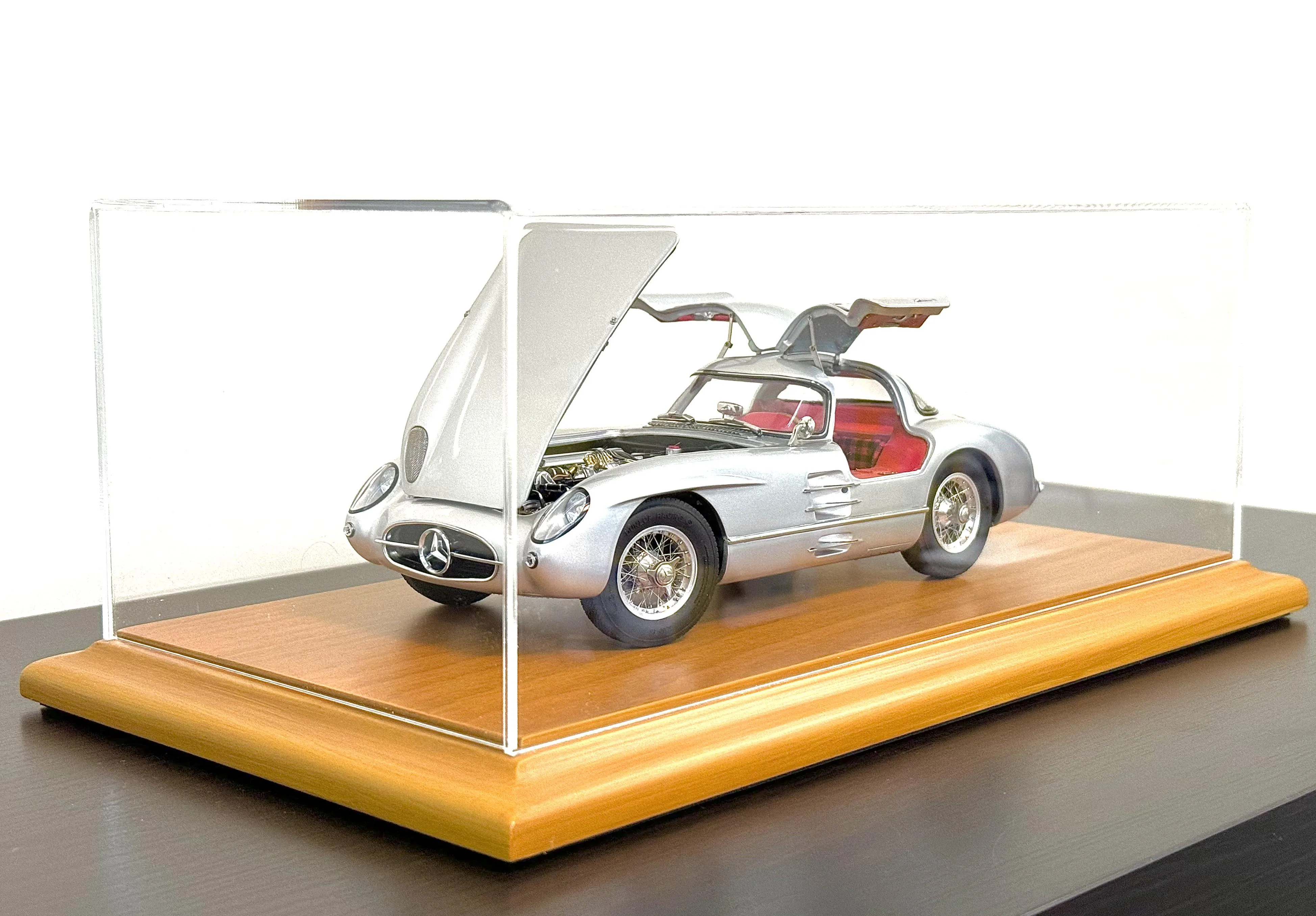
What Are Diecast Cars
Diecast cars are miniature replicas of real-life vehicles, meticulously crafted from metal, primarily zinc alloy, and other materials. These scale models are a popular hobby for people of all ages, appealing to those fascinated by cars, history, and detailed craftsmanship. They come in various sizes, ranging from the very small to larger, more detailed models, and can represent a wide array of vehicles, from classic automobiles to modern sports cars, trucks, and even construction equipment. The level of detail varies greatly, from simpler, toy-like versions to highly detailed models with working parts and intricate paint jobs. Diecast cars offer a tangible connection to the automotive world, allowing enthusiasts to own and appreciate miniature versions of their favorite vehicles. Beyond their aesthetic appeal, they can also serve as investments, with certain models increasing in value over time.
The Materials Used in Diecast Cars
The production of diecast cars relies on specific materials that contribute to their durability, detail, and overall quality. The primary material is zinc alloy, a metal chosen for its ability to be molded into intricate shapes with high precision. This alloy is often mixed with other metals like aluminum and copper to enhance its properties. Other components of diecast cars often include plastic for interior details, tires, and some body parts, and rubber for the tires. The windows and headlights are usually made of clear plastic. Paints and coatings are also vital, offering the vehicles their color, gloss, and protection. The combination of these materials results in a collectible item that is both attractive and durable.
Zinc Alloy

Zinc alloy is the backbone of diecast car construction, responsible for the models’ sturdy structure and the ability to capture fine details. This alloy is created by combining zinc with other metals like aluminum, magnesium, and copper. The precise proportions of these metals influence the characteristics of the finished product, like strength, casting fluidity, and surface finish. Zinc alloy has a low melting point, which makes it perfect for die-casting, a method that involves forcing molten metal into molds under high pressure. This procedure makes it possible to create the complex shapes and intricate details observed in many diecast car designs. The material’s stability and resistance to wear and tear also mean that diecast cars can withstand the test of time, turning into valuable collectibles. Zinc alloy is also often recyclable, making it a more sustainable option.
The History of Diecast Cars
The history of diecast cars is a journey through the evolution of toys and collectibles. Diecast toys first appeared in the early 20th century, with simple, durable models designed for children. These early models were made of less refined materials and were often designed as solid, simple toys, primarily meant for play rather than collecting. Over the years, diecast technology and manufacturing techniques have improved, leading to more detailed and realistic models. The development of these miniature vehicles reflected the growing fascination with automobiles and technological advancement. The focus shifted from toys to scale models, with collectors seeking accurate representations of real-world vehicles. This transition marks a significant shift in the industry, leading to the diverse and detailed world of diecast cars we know today.
Early Diecast Toys
The first diecast toys emerged in the early 1900s, designed mainly as durable playthings for children. These early models were straightforward in design, using simple casting techniques and robust materials like zinc alloy, to survive rough handling. Manufacturers focused on creating sturdy toys that could endure the wear and tear of childhood play. The earliest diecast toys were usually basic models of cars, trucks, and trains. These toys were often painted with simple colors and featured minimal details. The primary goal was to make them long-lasting and affordable. These early diecast toys set the foundation for the development of more detailed and sophisticated models later on, introducing the fundamental concepts of miniature vehicle production and appealing to kids’ enthusiasm for automobiles.
The Rise of Scale Models

In the mid-20th century, the industry experienced a change, with an increasing focus on precision and detail. This shift marked the dawn of the scale model era, where the goal was to replicate real-world vehicles. Manufacturers began to invest in new technologies to produce more accurate and detailed models. The introduction of more advanced casting techniques and the use of better materials facilitated intricate designs and improved paint quality. The result was a new level of realism, attracting adult collectors. The rise of scale models coincided with the growing interest in automobiles, with enthusiasts wanting to own miniature versions of their favorite cars. These scale models became popular collector’s items, appreciated for their craftsmanship and the accuracy of the vehicles they represented.
Why Collect Diecast Cars
Collecting diecast cars is a popular hobby for many, offering a variety of benefits and appeals. For some, the attraction lies in the aesthetic appeal of the detailed miniature vehicles and a love for cars. For others, collecting diecast cars is a nostalgic experience, reminiscent of childhood or the enjoyment of particular vehicles. The hobby offers a community of fellow collectors, allowing enthusiasts to share their passion, exchange knowledge, and showcase their collections. Diecast cars also have the potential to increase in value over time, becoming valuable investments, especially for rare or limited-edition models. Collecting diecast cars gives people a way to develop their interests and take part in a vibrant community.
Rarity and Value
Rarity plays a crucial role in determining the value of diecast cars. Limited-edition models, those with unique features, and cars from specific production runs tend to be more valuable. Collectors actively seek out these rare pieces, as their scarcity increases their desirability. Factors like the manufacturer, the model’s condition, and the original packaging influence the car’s value. Cars that are in mint condition, especially if they come in their original packaging, are often highly sought after by collectors. The value of diecast cars can also be influenced by historical significance or their association with particular events. The prices of diecast cars can vary greatly, from affordable to quite expensive. Understanding the elements that affect the value of a diecast car can help collectors in their purchasing and selling decisions.
Collecting as a Hobby

Collecting diecast cars is more than just a hobby; it is a way for people to discover new interests, socialize with other collectors, and explore the world of cars and automobiles. It can be a relaxing and enjoyable pastime. Collectors often focus on specific brands, car types, or eras, which allows them to dive deeply into a particular niche and become experts. Collecting diecast cars also provides a sense of accomplishment and enjoyment as people find rare pieces to add to their collection. Local and online communities give collectors a place to interact, share information, and trade or sell their models. The hobby provides a creative outlet for people to express their interests and appreciate the artistry and engineering of these miniature vehicles. Whether for investment or recreation, collecting diecast cars can offer a satisfying and rewarding experience.
Types of Diecast Cars
Diecast cars come in a wide array of types and scales, reflecting the broad interests of collectors. The diversity of models allows collectors to focus on specific car brands, models, or periods. Some collectors specialize in particular car brands, like Ferrari or Porsche, whereas others may choose to focus on vehicles from a certain time, like vintage cars. The scale of diecast cars is a key feature that defines their size relative to the original vehicle. Common scales include 1:18, 1:24, and 1:43, with the scale indicating the ratio of the model to the real car. The degree of detail varies with scale; bigger scales usually offer more detail. Understanding the different types of diecast cars, including their scale, style, and brand, is essential for collectors to find the items that match their interests.
Scale and Size
Scale and size are essential considerations when selecting diecast cars. The scale represents the ratio of the model’s size to the size of the real vehicle. Common scales are 1:18, 1:24, 1:43, and 1:64, with 1:18 models being larger and 1:64 models being smaller. The scale impacts the level of detail, with larger scales typically offering more intricate features and finer details. The size of the models also affects the storage and display needs of a collector. Larger scale models take up more space, whereas smaller models are easier to store and exhibit. The scale choice also influences the price, with bigger models costing more due to increased material and detail requirements. Selecting the right scale is a personal preference, depending on the collector’s preferences and available display space.
Popular Diecast Car Brands

A wide array of brands manufacture diecast cars, each with its own strengths and specializations. Some well-known brands include Hot Wheels, Matchbox, and Maisto, which are popular for their affordability and variety. Higher-end brands, like Autoart, Minichamps, and Bburago, produce more detailed and premium models. The brand reputation can affect the quality and value of the diecast car. Different brands often specialize in different types of vehicles or scales. For example, Hot Wheels is famous for its small-scale, stylized cars, while Autoart is recognized for its precise replicas. Collector choices are frequently influenced by brand loyalty and the desire to acquire models from a particular manufacturer. Learning about the leading diecast car brands and their unique offerings helps collectors make better decisions and grow their collections.
How Diecast Cars Are Made
The manufacturing of diecast cars is a sophisticated process that merges engineering, artistry, and precision. The main technique used is die-casting, which involves injecting molten metal into molds under high pressure to form the vehicle’s parts. The production includes careful planning and design, from the initial concept to the final product. The process requires specialized machinery, skilled workers, and high-quality materials to ensure accurate and detailed models. The manufacturing process combines technology and manual labor. The result is a high-quality miniature vehicle, showcasing the craftsmanship and attention to detail. The production of diecast cars is a fascinating process, reflecting the effort and skill required to produce these popular collectibles.
The Die-Casting Process
Die-casting is the core manufacturing method for diecast cars. The process begins with the design and creation of precise molds that mirror the shape of the car’s components. Molten metal, typically zinc alloy, is injected into these molds under high pressure. The high pressure makes sure that the metal fills every crevice, capturing intricate details. The metal then cools and solidifies inside the mold. The solidified parts are removed, trimmed, and prepared for additional processes, like painting and assembly. The die-casting method is highly effective at creating complex shapes and producing models with remarkable detail. The use of automated machinery improves the efficiency and precision of the manufacturing process, resulting in high-quality diecast cars that are true representations of real-life vehicles.
Painting and Detailing

The painting and detailing of diecast cars is a careful process that brings the models to life, adding color, refinement, and realism. The painting process usually involves several layers of paint. The paints are carefully chosen to ensure long-lasting quality. Detailing includes adding features such as decals, badging, and interior elements. These features are essential for giving the miniature vehicles accuracy and visual appeal. Skilled artisans apply the paints and detailing by hand or with advanced techniques. The focus is to ensure that every detail is precise and true to the real-life vehicle. The combination of painting and detailing transforms diecast cars into works of art, creating appeal for collectors and enthusiasts.
Caring for Your Diecast Cars
Caring for your diecast cars involves maintaining their condition, appearance, and value. Regular cleaning, safe storage, and proper handling can help preserve your models. Maintaining diecast cars ensures they stay in good condition over time. Proper care also guarantees that they stay valuable. Collectors can enjoy their diecast car collections for many years by following a few simple maintenance tips. By protecting your investment with proper maintenance, you are keeping the value of your models.
Cleaning and Maintenance
Cleaning and maintaining diecast cars is essential to preserving their beauty and value. Dust can collect on the models, so regular cleaning is required. Use a soft brush or a microfiber cloth to gently remove dust and debris. Avoid using harsh chemicals or abrasive materials, which can harm the paint and details. When cleaning, use a mild soap solution and a damp cloth for stubborn spots. Ensure that the cars are dry before storing them. Proper maintenance includes handling the models carefully to prevent scratches or damage. Storing the diecast cars in a controlled environment, away from direct sunlight and extreme temperatures, will ensure the preservation of your collection.
Displaying Your Collection

Displaying your diecast car collection is an important part of the hobby, enabling you to showcase your models. Collectors use different display techniques, from simple shelves to custom-built display cases. Display cases protect the models from dust and damage while highlighting their aesthetic appeal. The presentation also allows you to enjoy the collection. Careful consideration of lighting, background, and arrangement can improve the visual appeal. Grouping the models by brand, type, or period is common. The placement of the models should make them easy to view and appreciate. Displaying your collection is a means of enjoying your hobby and sharing it with others, whether in your home or during exhibitions and events.