
What is Diecast
Diecast refers to a manufacturing process that produces metal parts by injecting molten metal under high pressure into a mold cavity. This method is widely used to create detailed and durable products, from small toys and model cars to complex components in the automotive and aerospace industries. The diecasting process allows for intricate designs and shapes that would be difficult or impossible to achieve with other manufacturing techniques. The resulting parts are known for their high precision, excellent surface finish, and mechanical strength, making diecasting a vital process in modern manufacturing. This technique is essential for producing various items that we use every day.
The Diecast Process
The diecast process is a complex but highly efficient method involving several key steps. First, a mold or die is created, typically made from hardened steel. This die contains the negative impression of the part to be produced. Molten metal, often an alloy of zinc, aluminum, or magnesium, is then injected into the die cavity under high pressure. This pressure ensures that the molten metal fills every detail of the mold, resulting in a precise and detailed casting. After the metal solidifies, the die is opened, and the part is ejected. The casting may then undergo trimming, machining, and surface finishing to meet specific requirements. This process is ideal for mass production, allowing for high volumes of parts with consistent quality and accuracy. The cycle time can be very fast, making it suitable for large-scale manufacturing operations.
Understanding Diecast Materials

The choice of materials in diecasting significantly impacts the final product’s properties, including its strength, durability, and appearance. Commonly used materials include various metal alloys and plastics. Each material offers unique advantages and is selected based on the specific application requirements. Metal alloys are favored for their strength and ability to withstand high temperatures and pressures. Plastics are often used for their flexibility, lightweight properties, and cost-effectiveness, especially for less demanding applications. Understanding the characteristics of these materials is crucial for optimizing product design and manufacturing processes. The selection is also influenced by factors such as corrosion resistance and the need for specific surface finishes. The versatility in material selection makes diecasting a flexible manufacturing method.
Common Materials Used
Various materials are used in diecasting, with metal alloys and plastics being the most prevalent. Metal alloys, especially those of zinc, aluminum, and magnesium, are popular due to their high strength-to-weight ratio, excellent dimensional stability, and ability to produce intricate designs. Zinc alloys are often chosen for their low melting point and ability to be cast into very thin sections. Aluminum alloys are favored for their lightweight properties and good corrosion resistance, making them ideal for automotive and aerospace applications. Magnesium alloys offer a high strength-to-weight ratio and are frequently used when weight reduction is critical. Plastics, such as ABS, nylon, and polycarbonate, are used when lightweight, flexibility, and cost-effectiveness are essential.
Metal Alloys
Metal alloys play a pivotal role in diecasting, providing the necessary strength, durability, and precision required for various applications. The most common metal alloys used include those based on zinc, aluminum, and magnesium. Zinc alloys are known for their excellent castability and ability to reproduce fine details, making them suitable for intricate designs. Aluminum alloys offer a superior strength-to-weight ratio and are resistant to corrosion, making them ideal for parts exposed to harsh environments. Magnesium alloys are recognized for their lightweight properties and high strength, making them perfect for applications where weight reduction is a priority. These alloys are chosen depending on the mechanical properties and specific application requirements, thus impacting the final product’s performance and lifespan. Each alloy is formulated to offer specific characteristics that align with different manufacturing demands.
Plastic Components
While diecasting primarily uses metal alloys, plastic components are also used in the process, offering flexibility and cost-effectiveness for various applications. Plastics such as ABS (Acrylonitrile Butadiene Styrene), nylon, and polycarbonate are frequently employed. These plastics offer a lightweight alternative to metals and are especially suitable for parts where weight reduction is a key factor. They are also beneficial in creating parts with complex shapes and detailed designs. The injection molding process for plastics allows for high precision and consistency, similar to metal diecasting. Plastics are also advantageous in applications requiring electrical insulation or resistance to chemicals. The choice of plastic is determined by the specific requirements of the part, including its intended use, mechanical properties, and environmental conditions. This allows manufacturers to choose the best possible material.
Diecast Applications
Diecast components find widespread use across a multitude of industries, reflecting the versatility and efficiency of the diecasting process. From detailed scale models to complex industrial parts, diecasting provides precise, durable, and cost-effective solutions. The automotive industry relies heavily on diecast parts for engine components, transmission housings, and various structural elements, where strength and precision are paramount. The aerospace industry employs diecasting for aircraft components that must withstand extreme conditions. The consumer goods sector utilizes diecasting to produce everything from toys to appliances, taking advantage of its ability to create intricate designs. Understanding the range of diecast applications highlights its essential role in modern manufacturing.
Scale Models
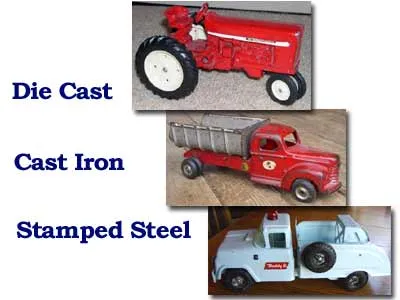
Diecasting is extensively used in the production of scale models, offering high levels of detail and durability essential for these miniature replicas. Scale models, such as cars, aircraft, and trains, rely on the diecasting process to accurately replicate intricate designs and features. The process enables the creation of detailed parts with precise dimensions, allowing for the realistic representation of various vehicles and objects. Diecast models are highly sought after by collectors and enthusiasts due to their superior quality, weight, and the fine details achieved through this manufacturing method. These models are valued not only for their aesthetic appeal but also for their durability and ability to withstand handling and display.
Automotive

The automotive industry is a major consumer of diecast components, utilizing this manufacturing method to produce a wide range of parts. Diecast parts in automobiles include engine blocks, transmission housings, and various structural components. The advantages of diecasting, such as high precision and durability, make it ideal for these critical applications. The ability to produce complex shapes with tight tolerances ensures optimal performance and reliability of automotive systems. Diecast components contribute significantly to the efficiency and safety of vehicles, demonstrating the process’s importance in the automotive sector. The high production rates and cost-effectiveness of diecasting are particularly beneficial in meeting the high-volume demands of the automotive industry. This technique ensures that the vehicles that we use are made with the finest components.
Aircraft
In the aerospace industry, diecasting is crucial for manufacturing aircraft components that must endure extreme conditions while maintaining high precision and reliability. Diecast parts are used in various aircraft systems, including engine parts, structural elements, and interior components. The need for lightweight yet strong materials makes aluminum and magnesium alloys, frequently used in diecasting, ideal choices. The precision of diecasting allows for complex designs and tight tolerances essential for aerospace applications. The ability to produce these parts with consistent quality and at scale is vital for the efficient production of aircraft. Diecasting ensures the safety and performance of aircraft, contributing significantly to aviation technology.
Trains and Other Vehicles
Diecasting is not only essential for automotive and aircraft components, but it is also widely used in the production of trains and other vehicles. This manufacturing method is used to create detailed parts, ensuring the quality and durability of these vehicles. Diecast components for trains often include chassis parts, wheel assemblies, and intricate decorative elements. For other vehicles, such as motorcycles and construction equipment, diecasting is used for engine parts, housings, and structural components, where precision and strength are essential. The process ensures that these vehicles meet rigorous performance and safety standards. The versatility of diecasting makes it an invaluable technique in transportation manufacturing.
Diecast Advantages

Diecasting offers several significant advantages that make it a preferred manufacturing method for many applications. One of the key benefits is its ability to produce highly detailed and durable parts with precision. The process also allows for the economical mass production of complex shapes, which reduces overall costs. Furthermore, diecast parts often have excellent surface finishes, reducing or eliminating the need for additional finishing processes. The ability to work with a wide range of materials and alloys adds to the versatility of diecasting, making it suitable for various industries. These advantages contribute to its widespread use in modern manufacturing.
Durability and Detail
One of the primary advantages of diecasting is its ability to produce parts that are both highly detailed and incredibly durable. The process allows for the creation of intricate designs with precise dimensions, which is essential in applications requiring accuracy and detail. Diecast components are often made from metal alloys, which provide significant strength and resistance to wear and tear. This ensures that the parts can withstand demanding environments and long-term use. The combination of precision and durability makes diecasting an ideal choice for manufacturing components that must meet stringent performance standards and have a long lifespan. The level of detail that can be achieved is unmatched by other manufacturing processes.
Cost-Effectiveness
Diecasting is known for its cost-effectiveness, especially for high-volume production runs. While the initial cost of creating the die can be significant, the process allows for the rapid and efficient manufacturing of parts. The automated nature of diecasting reduces labor costs, and the ability to produce parts with minimal waste helps to control material expenses. Furthermore, the high precision of the process often reduces the need for secondary operations like machining or finishing, lowering the overall production costs. This combination of factors makes diecasting a financially attractive option for many manufacturing projects, particularly those requiring large quantities of parts. The long-term cost savings make it a valuable technique for businesses of all sizes.