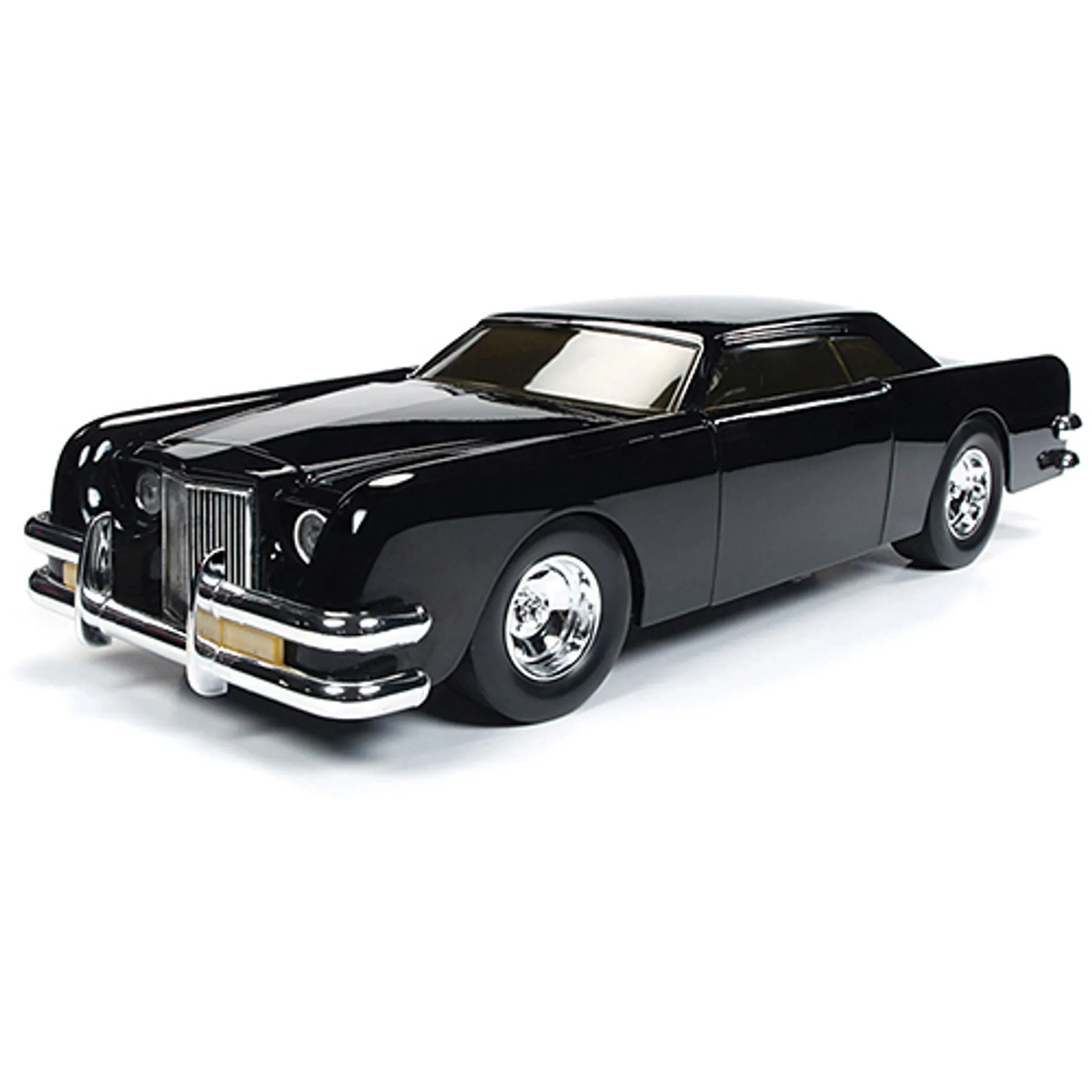
Choosing Your Diecast Model Kit
Embarking on the journey of building diecast model kits can be an incredibly rewarding experience. Before you even think about assembly, the first step is choosing the right kit. This initial decision lays the foundation for your entire modeling experience, so it’s crucial to approach it with care and consideration. Consider your skill level, the type of car you want to build, and the complexity of the kit. A beginner might want to start with a simpler kit that has fewer parts and straightforward instructions. As you gain experience, you can graduate to more complex models with intricate details and advanced assembly techniques. This ensures that you enjoy the process and don’t get discouraged by overwhelming challenges. Furthermore, research the kit’s reputation, the brand’s quality, and the availability of replacement parts, which can enhance your experience.
Researching Kit Brands and Reviews
The world of diecast model kits is populated by numerous brands, each with its own reputation for quality, detail, and ease of assembly. Before settling on a particular kit, invest some time in researching different brands. Popular and reputable brands often include Tamiya, Revell, and others. These brands are known for producing high-quality kits with excellent detail and well-written instructions. Reading reviews is an invaluable resource, as it provides insights into the experiences of other modelers. Online forums, hobby websites, and social media groups are excellent places to find honest feedback and advice. Pay close attention to comments about the kit’s fit and finish, the clarity of the instructions, and any common challenges that modelers have encountered. This research will help you make an informed decision and avoid potential frustrations during the assembly process.
Checking the Kit’s Contents and Parts

Once you’ve selected a kit, carefully examine its contents before starting the assembly. Open the box and inventory all the parts against the parts list included in the instructions. Ensure that all pieces are present and that there are no broken or missing components. Missing parts can significantly hinder your progress and can be frustrating to replace. Take a moment to inspect the plastic sprues (the frames that hold the parts) for any damage. If you find broken pieces, contact the manufacturer or the retailer to request replacements. Also, check the decals, which are often fragile. Look for any tears or imperfections, as these can impact the final appearance of your model. A thorough inspection at this stage will save you time and trouble later on, ensuring a smoother and more enjoyable building experience. This proactive approach will ensure you have everything you need before you begin the exciting assembly process.
Essential Tools for Assembly
Having the right tools is essential for a successful diecast model kit build. Without the proper equipment, even the most meticulously designed kit can be difficult to assemble, and the final result may suffer. Investing in a basic set of tools will not only make the process easier but also improve the quality of your model. A well-equipped workspace is a key element for success. This includes a well-lit area with a comfortable work surface, good ventilation, and readily accessible storage for your tools and supplies. A dedicated workspace helps to keep everything organized, allowing you to focus on the task at hand without the distractions of a cluttered environment. The following are some key tools that are important for the assembly process.
Precision Cutting Tools
Precision cutting tools are fundamental to the process of diecast model kit assembly. These tools allow you to carefully remove parts from the sprues without damaging them. A sharp hobby knife or a set of sprue cutters are your primary weapons against the plastic frames that hold the parts. Hobby knives come in various sizes and shapes, with interchangeable blades, allowing you to select the right tool for each task. Sprue cutters, on the other hand, are designed specifically to snip parts cleanly from the frames. When using either tool, always cut close to the part but leave a small amount of plastic on the sprue, which can then be carefully trimmed with the hobby knife. Other handy cutting tools are a sanding stick for removing the leftover plastic and a cutting mat to protect your work surface. Precision and care with your cutting tools will prevent unsightly marks and ensure a clean finish for your model.
Adhesives and Glues

Choosing the right adhesives and glues is critical for bonding the plastic parts of your diecast model car. The most common type of glue used in model building is plastic cement, which chemically melts the plastic surfaces together, creating a strong bond. Plastic cement comes in various forms, including liquid and gel, each with its own advantages. Liquid cement is excellent for precise application, while gel cement is less likely to run and is ideal for larger parts. Cyanoacrylate glue, also known as super glue, is another adhesive that can be used for bonding different materials. Super glue is particularly useful for attaching photo-etched parts or other delicate details. When working with adhesives, always work in a well-ventilated area and follow the manufacturer’s instructions carefully. Remember that using the right adhesive is a factor in ensuring that your model is strong and long-lasting.
Painting and Detailing Supplies
Painting and detailing are key aspects of bringing your diecast model car to life. The right paints and supplies can make a huge difference in the final appearance of your model. Acrylic paints are a popular choice for modelers because they are easy to use, dry quickly, and can be thinned with water. Enamel paints are another option that provides a durable finish. Airbrushes are a great option for achieving a smooth, professional finish. You can also use paintbrushes. In addition to paints, you’ll need a variety of detailing supplies, such as masking tape to protect certain areas of your model during painting, and thinners for cleaning your tools and thinning your paints. High-quality brushes and detail paints are essential for precise detailing, such as applying stripes, logos, and other fine details. These tools will help you in turning your model into a piece of art.
Top 5 Assembly Tips for Diecast Model Kits
With the proper tools in hand, it’s time to dive into the assembly process. The following tips will help you achieve professional results and a smooth, enjoyable experience. Whether you’re a beginner or an experienced modeler, these tips can help improve the quality of your models. Remember that patience and attention to detail are key to success in this hobby. These tips will help you create impressive, detailed models that you’ll be proud to display. Taking the time to follow these tips will pay off with a better final result.
Tip 1 Preparing and Cleaning Parts

Before you start assembling any diecast model kit, it is vital to properly prepare and clean all the parts. This step ensures that the parts fit together correctly and that the paint adheres well. Begin by carefully removing the parts from the sprues using a sharp hobby knife or sprue cutters. Trim away any excess plastic, also known as sprue nubs, using a hobby knife or sanding sticks. Once the parts are separated, clean them to remove any mold release agents, oils, or dust that may be present. This can be done by washing the parts with a mild soap and water solution, and letting them air dry. You can also use a special plastic cleaner. Properly preparing and cleaning parts is essential for creating a high-quality model, and it will significantly impact the final result.
Tip 2 Following Instructions Meticulously
The instruction manual is your bible when it comes to diecast model kit assembly. Carefully read and understand each step before you begin working on it. Most kits come with detailed diagrams and illustrations that guide you through the process. Pay close attention to these diagrams, as they will show you how the parts fit together and the correct orientation for each component. Do not skip steps or deviate from the instructions unless you fully understand the implications. Many modelers find it helpful to mark off each step as they complete it, ensuring they don’t miss anything. If you encounter a step that is unclear, consult online forums, tutorials, or other modelers for help. Remember, the instructions are designed to guide you through the assembly, and following them closely will help you achieve the best results and avoid potential errors.
Tip 3 Test Fitting Before Gluing
Before applying any adhesive, always test fit the parts. This crucial step helps you identify any potential problems with fit and ensures that the parts align correctly. Hold the pieces together and check how they connect. If there are any gaps or misalignment, try trimming the parts with a hobby knife or sanding them gently to achieve a better fit. Test fitting is especially important for complex assemblies or parts that need to align perfectly. It is far easier to make adjustments before the glue dries than to try and correct a mistake after the parts are permanently bonded. Take your time during the test fitting process, and be patient. Doing so will save you a lot of frustration and ensure that your model looks its best.
Tip 4 Painting Techniques and Detailing

Painting and detailing are the aspects that bring your diecast model kit to life. Before painting, prime the model with a primer designed for plastic. This ensures that the paint adheres well. Acrylic paints are a good choice for modelers because they are easy to work with and can be thinned with water. Enamel paints also provide a durable finish. You can apply the paint using an airbrush or with brushes. Airbrushes are ideal for achieving a smooth, professional finish, while brushes are useful for detailing small areas. Masking tape is your friend for multi-colored schemes. Once the paint is dry, you can add details such as decals, washes, and weathering effects to enhance the realism of your model. Take your time and pay attention to detail, and your model will really stand out.
Tip 5 Patience and Taking Breaks
Building a diecast model kit can be a time-consuming process, and it’s important to approach it with patience and a relaxed attitude. Model building requires focus and precision, and it is easy to make mistakes when you are rushed or tired. Set realistic goals for each modeling session. Take regular breaks to avoid eye strain and to give yourself a fresh perspective. If you encounter a difficult or frustrating step, don’t hesitate to set it aside and come back to it later. This will allow you to approach the problem with a clear mind. Model building should be an enjoyable hobby, not a stressful chore. Remember that it’s okay if your model takes time to complete. The finished product will be a testament to your patience, dedication, and attention to detail.
Displaying and Maintaining Your Diecast Model Car
Once you have completed your diecast model car, the next step is displaying and maintaining it. Displaying your model car allows you to admire your craftsmanship and share your passion with others. Proper maintenance protects your model from damage. It is also part of ensuring that it looks its best for years to come. There are many ways to display your model, from custom-built shelves to display cases. Proper care and display will ensure your model remains in excellent condition for many years to come. The following are some tips for maintaining and showcasing your creation.
Protecting Your Model from Dust and Damage

Dust and damage are the enemies of diecast model cars. To protect your model, consider using a display case or a glass-fronted cabinet. Display cases will keep dust from settling on your model and shield it from accidental bumps and scratches. If you don’t have a display case, dust your model regularly with a soft brush or a microfiber cloth. Avoid using harsh chemicals or abrasive cleaners, which can damage the paint and decals. You can also apply a protective coating to your model, which helps to prevent dust and fingerprints. When handling your model, always hold it by the base or by the parts that won’t be damaged if you drop it. By taking these simple steps, you can protect your model from damage and keep it looking its best for years to come.
Showcasing Your Collection
Displaying your collection is another important part of the hobby. Choose a display area that is well-lit and visible. You can arrange your models by make, model, scale, or any other criteria that you find appealing. Consider using display stands or platforms to elevate your models and make them more visible. If you have a large collection, you might want to consider investing in a dedicated display case or a glass-fronted cabinet. Don’t be afraid to get creative with your display. You can add background elements, such as miniature street scenes or garages, to create a more immersive display. The goal is to show off your models in a way that is both visually appealing and protective. It’s a chance to celebrate your work and share your passion for diecast model cars with others.