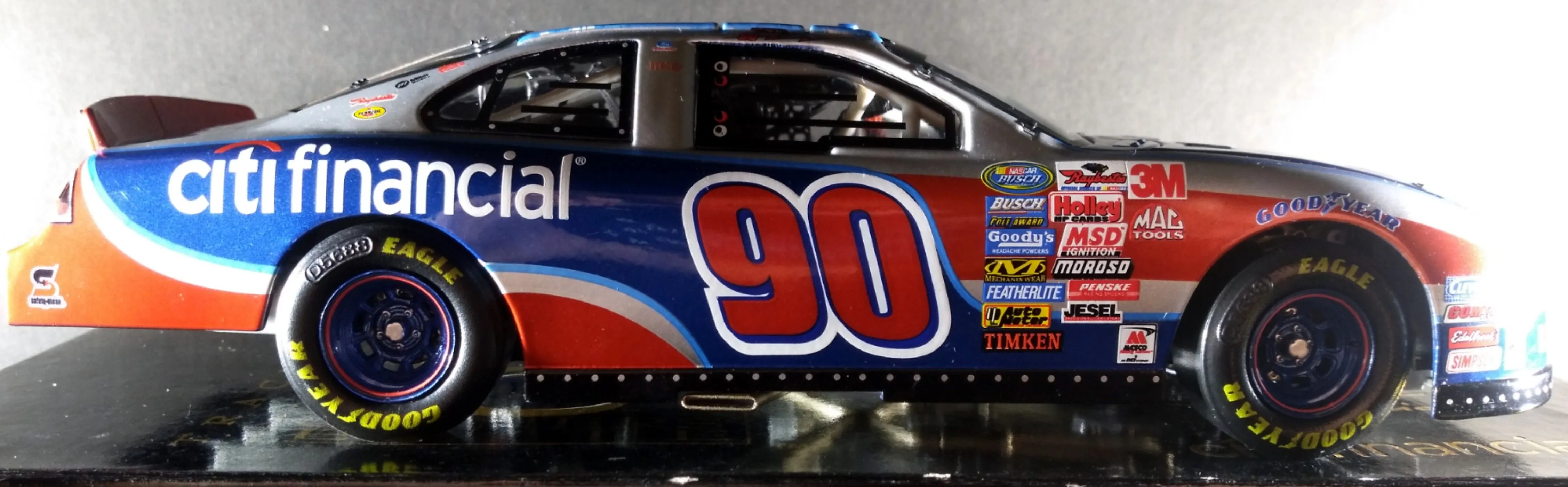
The Top 5 Secrets to NASCAR Diecast Pricing
Unlocking the true value of your NASCAR diecast collection requires more than just a casual glance. The world of collectible diecast cars is complex, with numerous factors influencing their worth. This guide unveils the top 5 secrets savvy collectors use to accurately assess and maximize the value of their treasured models. Understanding these secrets will empower you to make informed decisions, whether you’re buying, selling, or simply curating your collection. From rarity and condition to market trends, we’ll cover everything you need to know to navigate the exciting world of NASCAR diecast collecting.
Secret 1: Rarity and Limited Editions
The first key to unlocking value lies in understanding rarity. Limited editions, those produced in smaller quantities, are inherently more valuable. This scarcity drives demand and, consequently, price. Diecast cars that were only produced for a specific event, a short period, or as exclusive promotions are highly sought after by collectors. Manufacturers often designate the production run size, which is a crucial piece of information. The fewer the cars produced, the higher the potential value. Furthermore, limited edition cars with unique features, such as special paint schemes or commemorative details, command even higher prices. Understanding the concept of rarity is the cornerstone of diecast valuation.
Factors Determining Rarity

Several factors contribute to a diecast model’s rarity. Production numbers, as mentioned earlier, are a primary indicator. Limited edition runs, often marked with a specific number out of a total production (e.g., 1 of 500), instantly increase value. The availability of the model at retail is another factor; if a car was only available through a specific retailer or online platform, its scarcity increases. Limited-time promotions or event-specific models also contribute to rarity. Additionally, errors or variations in the production process, such as misprints or color variations, can inadvertently make a model rare and more valuable to collectors. These unique characteristics create a strong appeal in the market.
Identifying Limited Editions
Identifying limited editions can often be straightforward. Look for a production number on the packaging or the car itself. Manufacturers will often include a serial number or a notation like ‘Limited Edition’ or ‘Collectible.’ Check the manufacturer’s website or online forums dedicated to NASCAR diecast collecting for production information. Some models are easily identified by their unique paint schemes, sponsor logos, or specific racing event details. Researching the model’s history is essential. Collector communities and online databases frequently provide information about production runs and any special features of a particular diecast car. These resources will assist in confirming its status as a limited edition.
Secret 2: Condition is King
The condition of a diecast model is paramount when determining its value. Collectors are always on the lookout for cars that are in pristine condition. A mint-in-box (MIB) model, one that has never been removed from its packaging, typically commands the highest prices. Even if a model has been displayed, it is essential to maintain its condition as best as possible. Any imperfections, such as scratches, paint chips, or damaged packaging, can significantly decrease the car’s value. Proper storage, away from direct sunlight, extreme temperatures, and humidity, is vital to preserve its condition. Collectors will always place more value on a model that appears to have been well-cared for.
Grading Scales for Diecast Models
Grading scales provide a standardized way to assess the condition of diecast models. These scales usually range from Mint (MIB or perfect condition) to Poor (significant damage). Common grading terms include Mint (M), Near Mint (NM), Excellent (EX), Good (G), Fair (F), and Poor (P). Each grade has a specific set of criteria. For example, a Mint model is flawless, while a Near Mint model may have minor imperfections. The packaging condition also impacts the grade. Collectors use these grading scales to provide a consistent and transparent valuation of the diecast model. When evaluating, be sure to thoroughly inspect the model and the packaging to accurately assess the overall value. Be honest and transparent with the grading.
Impact of Packaging on Value
The packaging of a diecast model is an integral part of its value, especially for mint-in-box models. The box protects the car and helps preserve its condition. Collectors often view the box as part of the collectible itself. Original packaging, especially if in good condition, significantly enhances the value. Damage to the packaging, such as creases, tears, or discoloration, can diminish the overall value of the model. Special edition packaging or packaging with unique artwork also adds value. Be careful when handling the box and keep it stored in a safe environment. When selling, be sure to mention the condition of the packaging, as it will influence the price a buyer is willing to pay.
Secret 3: The Popularity Factor
The popularity of a driver or team dramatically influences the value of their diecast models. Cars representing popular drivers and successful teams often command higher prices. Drivers with a large fan base, numerous championships, or a significant presence in NASCAR history are highly desirable. Likewise, cars with iconic paint schemes or those associated with memorable races or victories increase in value. The demand is driven by the fans’ desire to own a piece of their favorite driver’s or team’s history. Current trends and the popularity of drivers can cause values to fluctuate, which is something to be aware of when buying or selling.
Drivers and Teams with High Demand

Certain drivers and teams consistently generate high demand in the diecast market. Drivers like Dale Earnhardt Sr., Jeff Gordon, and Jimmie Johnson, due to their legendary status and multiple championships, are highly sought after. Cars representing popular teams, like Hendrick Motorsports or Team Penske, often command higher prices. The popularity of a driver’s current performance and success can impact the value of their diecast models. Special edition cars commemorating milestones or championships significantly increase the price. When evaluating your collection or considering a purchase, research the driver’s and team’s popularity and history to gauge the model’s potential value.
Era-Specific Collectibles
Era-specific collectibles cater to a niche market that is centered around a specific time in NASCAR history. The 1990s and early 2000s are especially popular due to the high-profile drivers and iconic paint schemes. Collectors may be interested in diecast models from the golden era. Certain eras are more valuable due to factors such as the cars’ appearance, the drivers’ success, and the nostalgia factor. These cars often have unique characteristics and a distinctive style, which sets them apart from other models. Understanding these trends can help you find and value the diecast models from a specific era.
Secret 4: Market Trends and Timing
The diecast market is dynamic, with values fluctuating based on current trends and collector interest. Understanding market trends is vital to making informed decisions. Staying abreast of the latest market activity can help you identify models that are increasing or decreasing in value. Monitoring auction results, online sales data, and price guides provides essential insights into current market conditions. Knowing when to buy and sell can significantly impact your returns. Selling when demand is high and buying when prices are lower can maximize your profits. To ensure that you are receiving a fair price, it is crucial to closely monitor the market.
Analyzing Current Market Demand

Analyzing current market demand involves monitoring several factors. Auction websites are excellent resources for seeing what collectors are currently paying for diecast models. Online marketplaces and dedicated diecast forums offer insights into the most sought-after models. Keeping up with current events in NASCAR, such as retirements, championships, and popular driver updates, will affect the model value. The best time to review market demand is before making a significant purchase or sale. Look for models that are trending or are quickly increasing in value. The more data you collect, the better your understanding of the market demand will be.
Best Times to Buy and Sell
The timing of your transactions can affect the value of your diecast collection. The best time to buy often coincides with periods of lower demand, such as the off-season or when new models are released. Many sellers will lower their prices to get them sold. The best time to sell is when demand is high. Selling soon after a driver wins a championship or around a major NASCAR event can maximize your profits. Certain times of the year, such as the holiday season, can also see increased interest in diecast models. By paying close attention to the market and events, you can identify the optimum times to buy and sell your NASCAR diecast models.
Secret 5: Where to Find Reliable Information
Access to reliable information is critical for diecast valuation. Several resources can help you stay informed and make accurate assessments. Online price guides provide up-to-date market values and can be a quick reference. Diecast collecting forums and communities are excellent resources for sharing information and finding out more about specific models. These resources allow collectors to get an insider perspective on the values of particular models. Local hobby shops and collectible dealers can offer valuable insights and help you understand market trends. By using these resources, you’ll have a clear understanding of the value of your diecast collection.
Using Online Price Guides

Online price guides are essential tools for diecast collectors. Websites, such as those dedicated to NASCAR diecast models, provide current market values, historical pricing data, and information about specific models. Many price guides have advanced search features allowing you to find information. When using these guides, make sure the source is reputable and up to date. Verify the information by consulting multiple sources. These price guides can give you an understanding of the value and trends of the diecast models, helping you make informed decisions about your collection.
Leveraging Auction Data
Auction data is a real-time indicator of market value. Online auction sites, such as eBay, provide a wealth of information. By reviewing completed auction listings, you can see the actual prices paid for specific models, considering their condition and rarity. Auction data is extremely useful for assessing the current market trends. Pay attention to the final prices and note the drivers, teams, and models that are currently in demand. This data is also a great reference for identifying potential opportunities to buy or sell. The more auctions you review, the more confident you’ll be in your ability to value your diecast collection.
By implementing these 5 secrets, you’ll be able to navigate the complexities of the NASCAR diecast market. These tips will help you to confidently and accurately assess the value of your models. Whether you’re an experienced collector or new to the hobby, understanding rarity, condition, popularity, market trends, and reliable information will empower you to make smart decisions and truly enjoy the world of NASCAR diecast collecting.