The Allure of Diecast Toy Fairs
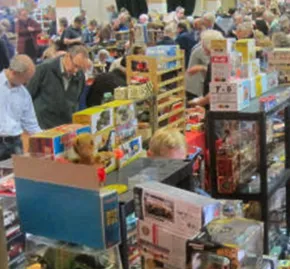
Diecast toy fairs are vibrant hubs of activity, where enthusiasts and collectors converge to celebrate their shared passion. These events offer a unique opportunity to discover rare finds, connect with fellow collectors, and expand your collection. More than just a marketplace, they are a celebration of history, craftsmanship, and the enduring appeal of miniature vehicles. Walking through the aisles, you’re immersed in a world of meticulously detailed models, each with its own story to tell. From classic cars to modern marvels, the variety is astounding, appealing to both seasoned collectors and newcomers alike. The thrill of the hunt, the excitement of finding a long-sought-after piece, and the camaraderie among attendees make these fairs an unforgettable experience. Whether you’re seeking to add to your existing collection or simply curious about the world of diecast toys, attending a fair is a must.
Secret 1: Timing is Everything
The timing of your visit can significantly impact your success at a diecast toy fair. Arriving early often gives you the first pick of the best items, as vendors are still setting up and the most desirable pieces are readily available. However, if you’re looking for better deals, waiting until the end of the day might be advantageous. Vendors are often more willing to negotiate prices to avoid having to pack unsold items. Consider attending both early and late, if possible, to maximize your chances of finding both the best items and the best prices. Checking the fair’s schedule for special events, such as early-bird access or closing day discounts, can also be helpful.
Best Times to Attend

The optimal time to attend a diecast toy fair depends on your priorities. For the best selection, aim to arrive as early as possible, ideally when the doors first open. This gives you the advantage of being among the first to view the merchandise. However, if you’re primarily focused on finding bargains, consider visiting later in the day, particularly towards the closing hours. Vendors are often more inclined to lower prices to avoid having to transport unsold items. Another strategy is to attend on the less crowded days of a multi-day fair, as you’ll have more time to browse and negotiate. Consider if the fair has a preview night or early-bird access. Planning your visit around these times can prove extremely beneficial in securing both choice items and attractive prices.
Secret 2: Know Your Vendors
Building relationships with vendors can significantly enhance your diecast toy fair experience. Regular attendees often develop connections with specific vendors, allowing them to receive advance notice of new arrivals or special offers. Knowing the vendors also means knowing their specialties. Some vendors specialize in specific brands, scales, or eras of diecast models, and becoming familiar with their inventory can help you quickly identify items that align with your collecting interests. This also allows for developing trust, which can be important when making significant purchases. A good relationship can also lead to first dibs on rare or sought-after items. Additionally, vendors can provide valuable insights into the diecast toy market, trends, and the value of specific models.
Researching Vendors Beforehand
Before attending a diecast toy fair, take some time to research the vendors who will be present. Many fairs publish a list of exhibitors, often with brief descriptions of their specialties. Use this information to identify vendors who carry the types of diecast models you’re most interested in collecting. Online research can be invaluable. Look for vendor websites, social media profiles, or online marketplaces where they sell their products. This will give you a sense of their inventory, pricing, and reputation. If possible, read reviews or seek recommendations from other collectors. Having a list of specific vendors you want to visit will help you navigate the fair efficiently and maximize your time. This proactive approach ensures you don’t miss out on potential treasures.
What to Look for at Vendor Tables

When browsing vendor tables at a diecast toy fair, there are several key things to look for. First, pay close attention to the overall presentation. A well-organized table often indicates a reputable vendor who takes pride in their merchandise. Examine the items closely, checking for any signs of damage, such as scratches, dents, or missing parts. Inspect the packaging, if available, as original boxes can significantly increase the value of a model. Also, make sure to inquire about the model’s history. Ask the vendor if they know anything about the model’s provenance, previous owners, or any unique characteristics. This information can be crucial, especially for rare or valuable items. Don’t hesitate to ask questions about the model’s scale, manufacturing details, or any other relevant information that helps you assess its quality and authenticity.
Secret 3: Negotiate Like a Pro
Negotiating is a key skill for any diecast toy fair attendee. Approach negotiations with courtesy and respect, remembering that vendors are also passionate about their products. Start by expressing interest in the item and asking about its price. Then, gauge the vendor’s flexibility. If the price seems high, politely ask if there is any room for negotiation. Many vendors are willing to lower prices, especially for multiple purchases or if an item has been on display for a while. Be prepared to walk away if you’re not satisfied with the price. Sometimes, the vendor will reconsider their offer. Always remain friendly and professional throughout the negotiation process. Building a positive rapport can increase your chances of reaching a mutually agreeable price.
Tips for Successful Bargaining
Several strategies can enhance your bargaining success at a diecast toy fair. Before you begin negotiating, research the market value of the items you’re interested in. This knowledge will give you a realistic understanding of fair pricing and help you avoid overpaying. If you’re purchasing multiple items from the same vendor, use this as leverage to request a discount. Vendors are often more willing to offer a better price when they make a larger sale. Don’t be afraid to politely point out any minor flaws or imperfections in the item. Even small issues can sometimes justify a price reduction. Be patient and willing to walk away if the price isn’t right. Sometimes, a vendor will reconsider their offer if they see you’re serious about not paying the asking price. Also, consider using cash, vendors might offer a better price for cash payments.
Handling Rare Finds

When negotiating for rare or highly sought-after diecast models, additional precautions are necessary. Carefully examine the item for any signs of damage or alterations. Request documentation, such as certificates of authenticity or original packaging, to verify its provenance. Be prepared to pay a premium for rare items, but ensure the price is justified by the model’s condition and rarity. If possible, consult with experienced collectors or appraisers before making a significant purchase. They can provide valuable insights into the model’s value and authenticity. When negotiating, emphasize your passion for collecting and your appreciation for the item’s rarity. This can sometimes help you build a more positive relationship with the vendor and potentially secure a better deal. Remember, rare finds require careful consideration.
Secret 4: Inspect Before You Buy
Thoroughly inspecting any diecast toy before purchasing is crucial. Begin by examining the model for any visible imperfections, such as scratches, dents, or paint flaws. Check for missing parts, such as mirrors, wheels, or accessories. Carefully assess the overall condition of the model, paying attention to the details. Make sure that all the features are in good working order. If the model has moving parts, such as opening doors or hoods, ensure they function smoothly. Look for signs of wear and tear that might indicate the model’s age and history. Use a magnifying glass to examine the finer details and catch any imperfections. Taking your time and meticulously inspecting the model will help you ensure you’re getting a quality product. This process protects you from potential disappointments.
Checking for Authenticity
Verifying the authenticity of a diecast model is essential, particularly for rare or valuable items. Research the model’s details, including its manufacturer, scale, and production run. Compare the model to known authentic examples, paying close attention to any unique features or markings. Check for official licenses or trademarks, which are often found on the model’s base or packaging. Look for signs of tampering or alterations, such as repainted areas or replaced parts. If you are unsure, ask the vendor for documentation, such as certificates of authenticity or original packaging. In some cases, it might be necessary to consult with an expert appraiser or collector to confirm the model’s authenticity. Always be cautious and take the time to verify the item’s provenance. This will give you confidence in your purchase.
Identifying Damage

Identifying damage to a diecast model is critical before making a purchase. Begin by carefully examining the model’s exterior. Look for scratches, dents, or paint chips, particularly on the body and trim. Check the wheels and tires for any damage or wear. Make sure the wheels spin freely and are securely attached. Inspect the windows and windshield for cracks or clouding. Check for missing or broken parts. Carefully examine the interior details, such as seats, dashboard, and steering wheel, to ensure they are intact and in good condition. If the model has any moving parts, such as doors or hoods, ensure they open and close smoothly. Use a magnifying glass to detect subtle imperfections that might be missed with the naked eye. Document any damage you find. It’s essential to assess the model’s value and negotiate accordingly.
Secret 5: Connect & Network
Diecast toy fairs provide exceptional networking opportunities for collectors. Engage in conversations with vendors, fellow collectors, and other enthusiasts. Share your collecting interests and learn from others. Attend workshops or presentations to expand your knowledge and connect with industry experts. Exchange contact information and stay connected after the fair. Online forums, social media groups, and local collector clubs are all valuable resources for staying informed and building relationships. Networking can lead to valuable information about upcoming events, rare finds, and market trends. Building relationships also helps to grow your collection. The diecast community is known for its passion and the willingness to share knowledge. Cultivating these relationships can make your hobby more enjoyable and rewarding.
Building Relationships
Building relationships within the diecast toy community is essential for both enjoyment and success. Introduce yourself to vendors and other collectors. Share your passion for collecting and ask questions about their interests. Listen attentively and show genuine interest in their knowledge and experiences. Attend events such as club meetings or online gatherings. Networking can provide access to exclusive information, such as advance notice of rare finds. Participate in online forums and social media groups dedicated to diecast collecting. This allows you to share your collection, ask questions, and connect with a wider audience. Over time, these relationships can transform into friendships, making the hobby more fulfilling. Building lasting relationships contributes significantly to a satisfying collecting journey.
Staying Updated

Staying updated on the latest trends and developments in the diecast toy world is important. Regularly visit websites, blogs, and forums dedicated to diecast collecting. Subscribe to newsletters or email lists to receive updates on upcoming events, new releases, and market trends. Follow manufacturers, vendors, and other collectors on social media platforms. Engage in conversations and discussions, and learn from others’ expertise. Attend diecast toy fairs and other related events to stay connected with the community and to see the latest releases. Keep an eye on auctions, online marketplaces, and pricing guides to stay current on market values. By actively staying informed, you’ll be better prepared to identify valuable additions to your collection and avoid overpaying for items. Consistent learning will ensure you are always on top of the market.
Conclusion
Attending diecast toy fairs is an exciting and rewarding experience for collectors of all levels. By following these secrets, you can enhance your chances of finding rare treasures, making valuable connections, and having a great time. Remember to do your research, be prepared to negotiate, and always inspect items carefully before making a purchase. Engage with the community, share your passion, and enjoy the thrill of the hunt. The world of diecast toys is filled with history, craftsmanship, and enduring appeal, and diecast toy fairs offer the perfect opportunity to immerse yourself in this captivating hobby. Embrace the experience, and let the journey of discovery begin.