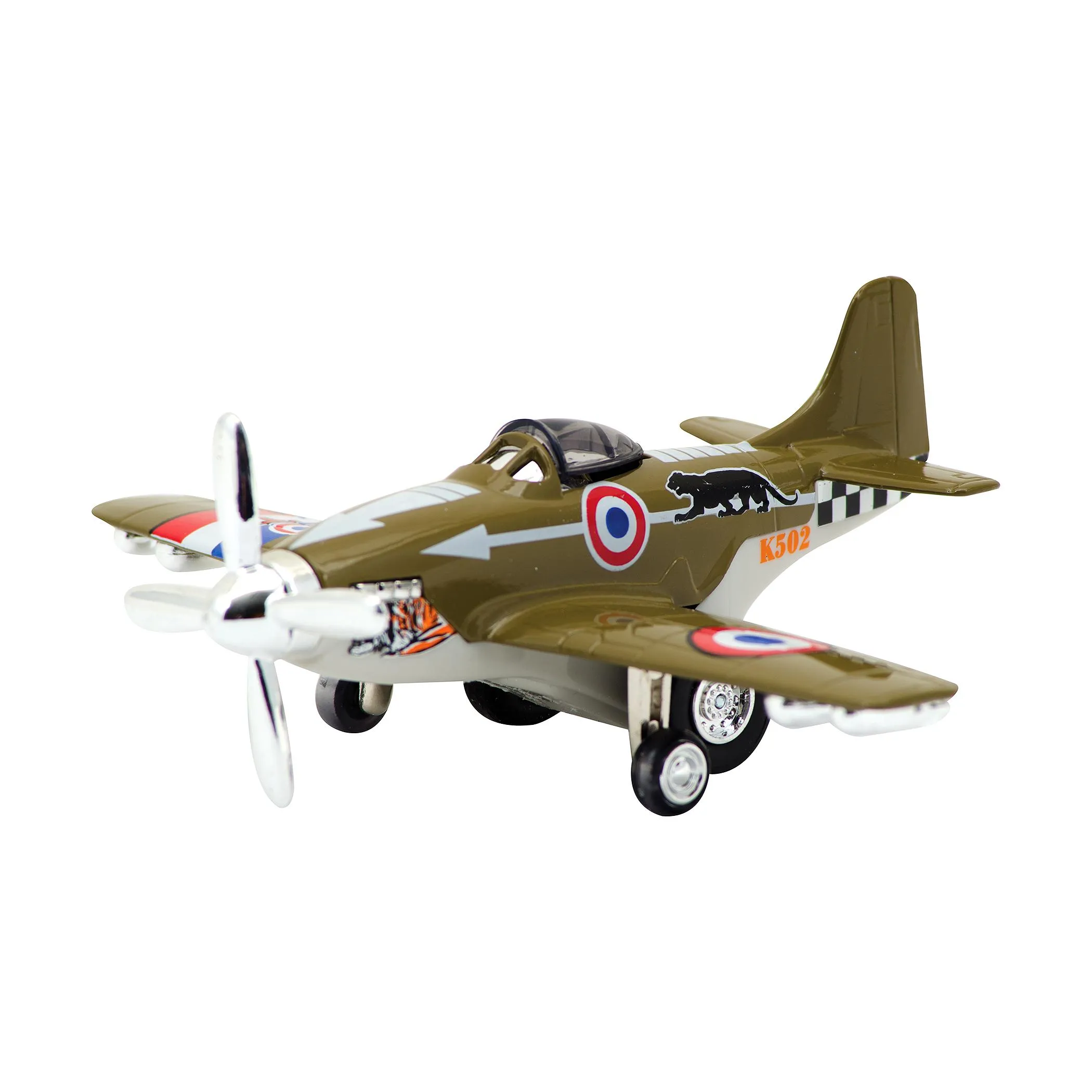
Diecast Toy Planes What Are They?
Diecast toy plane models are miniature replicas of real-world aircraft, meticulously crafted from diecast metal, typically zinc alloy. These models are not just toys; they’re highly detailed collectibles, prized by enthusiasts of all ages. The ‘diecast’ process involves injecting molten metal into a mold, creating intricate designs with remarkable accuracy. These planes capture the essence of aviation history, from iconic commercial airliners to legendary military fighters. The level of detail varies, but quality models feature realistic paint schemes, accurate markings, and finely sculpted features like engines, wings, and landing gear. Their durability, detailed design, and historical significance make them appealing to both collectors and those with a passion for aviation. They are a tangible connection to the world of flight, making them popular with those interested in aviation or history.
The Benefits of Collecting Diecast Toy Planes
Collecting diecast toy planes provides numerous benefits beyond the simple enjoyment of owning miniature aircraft. It’s a hobby that combines the thrill of collecting with the pursuit of knowledge. Collectors often research the history of the planes they acquire, learning about their real-world counterparts, their roles in aviation, and the technological advancements they represent. It offers a rewarding way to delve into history and aviation. The hobby also fosters a sense of community, as collectors connect with each other through clubs, online forums, and shows. These gatherings provide opportunities to share knowledge, trade models, and celebrate a shared passion. Furthermore, collecting can be a surprisingly therapeutic activity. The meticulous nature of the hobby, from selecting models to arranging them for display, can provide a calming escape from the stresses of everyday life. It is a rewarding and enriching experience, offering both intellectual stimulation and personal satisfaction.
How to Choose the Right Scale

Choosing the right scale is a crucial decision when starting or expanding your diecast toy plane collection. Scale refers to the ratio between the model’s size and the size of the real aircraft. It affects not only the size of the model but also the level of detail and the available selection of planes. The most common scales in the world of diecast toy planes include 1:72, 1:100, 1:200, and 1:400. Smaller scales, like 1:400, offer more space-saving models, ideal for collectors with limited display areas. Larger scales, such as 1:72, often provide a higher level of detail and allow for more intricate features. When selecting a scale, consider the type of aircraft you’re interested in, the available space, and your budget. Mixing scales within a collection is possible, but maintaining a consistent scale helps create a more cohesive and visually appealing display. Your choice will shape your collection and determine the types of models you can acquire.
The Most Popular Scales
Several scales dominate the diecast toy plane market, each with its own appeal. 1:72 scale is popular for military aircraft, offering a good balance of size and detail. It allows for intricate features while remaining manageable in size. 1:200 scale is a favorite for commercial airliners and military aircraft, providing a wide selection of models and a balance between detail and space requirements. This is a very common scale that can provide space for many planes in the collection. 1:400 scale is favored by collectors looking for compact models, particularly commercial airliners. It is perfect for those with limited space. The 1:100 scale is also popular, usually offering an adequate amount of detail for the size. The choice often depends on your specific interests and available display space.
The Importance of Material Quality
The material quality is paramount when it comes to diecast toy planes, impacting the model’s durability, detail, and overall value. High-quality diecast models are typically made from a zinc alloy, a metal known for its strength and ability to capture fine details. This material enables manufacturers to create accurate and intricate designs, from the shape of the fuselage to the smallest rivets and panel lines. Furthermore, the metal’s weight adds a satisfying feel to the model, enhancing its perceived value. Cheaper materials, such as plastic, may be used in some models, but they often lack the same level of detail and durability. They are also more prone to damage and may not stand the test of time. Prioritizing models made with high-quality materials is an investment in a collection that will last and continue to appreciate in value over time. Choosing quality materials ensures that your models not only look great but also withstand the rigors of handling and display.
Common Materials Used in Diecast Toy Planes

Diecast toy planes primarily utilize diecast metal, but other materials are also used in their construction. Zinc alloy is the most common material for the main body of the model, prized for its ability to capture fine details and its durability. This metal provides the weight and solid feel that many collectors value. Plastic is used in varying degrees, typically for smaller components like landing gear, antennas, and other intricate parts that are difficult to cast in metal. The use of plastic allows for greater detail and a more lightweight structure for these components. Rubber is used for tires, providing a realistic appearance and feel. The combination of these materials enables manufacturers to create highly detailed and accurate models, reflecting the real-world aircraft with remarkable precision.
What to Look For in Detail
The level of detail in a diecast toy plane model is a crucial factor in determining its quality and appeal. Accurate detailing is what truly brings these miniature aircraft to life, making them captivating representations of their full-size counterparts. Look for finely molded panel lines, rivets, and access panels, which enhance the model’s realism. Check the paint job for accurate colors, markings, and weathering effects, as these elements are essential for capturing the look of a real aircraft. Inspect the model’s engines, wings, and landing gear, as these are the defining characteristics of each aircraft. These details reflect the aircraft’s performance. The more detailed the model, the more immersive the experience, and the more rewarding it will be to display and enjoy. These small details set a model apart and enhance its overall value.
Details and Features to Consider
When evaluating a diecast toy plane, pay close attention to several key details and features. Accurate markings and paint schemes are crucial for representing the real-world aircraft correctly. Carefully examine the model’s engines and propellers, as these components add to the level of realism. Look for functional or movable parts, such as landing gear that can be retracted or extended, or control surfaces that can be positioned. These features enhance the model’s interactivity and make it more engaging. Consider the presence of any accessories, such as display stands, which can improve how the model is presented. Check the overall finish, looking for any imperfections in the paint, mold lines, or assembly. It will ensure that the model is well-made. A model with a high level of detail and thoughtfully incorporated features is a testament to the craftsmanship and will be a valuable addition to your collection.
Where to Buy Diecast Toy Planes

Acquiring diecast toy planes requires exploring various avenues. The most common places to start include dedicated hobby shops that specialize in models and collectibles. These shops often have a wide selection of models and can provide expert advice. Online retailers offer vast selections and competitive prices, making it easy to compare models and find exactly what you are looking for. Be sure to check the reputation of the seller. Collectors’ shows and conventions are excellent opportunities to find rare or out-of-production models and connect with other enthusiasts. These events allow you to see the models in person before making a purchase. Auction sites and marketplaces also provide access to a diverse range of models, including those from private collections. Always research the seller and the model before making a purchase. With patience and research, you can build an impressive collection. Remember to compare prices, read reviews, and inspect the model’s condition before making a decision.
Best Places to Purchase Diecast Toy Planes
Several places stand out as reliable sources for acquiring diecast toy planes. Speciality hobby stores are an excellent starting point, with a wide selection and knowledgeable staff who can guide you. Online retailers offer extensive choices and competitive pricing, with the added convenience of doorstep delivery. Always check the seller’s reputation. Auction sites can be treasure troves, especially for rare and vintage models, but be sure to verify the model’s authenticity and condition. Collectors’ shows are great for finding unique items. Attending these events also provides a chance to connect with the community. Local toy stores can occasionally have hidden gems. Each place offers its advantages, so a combination of these sources is often the best approach to building a diverse and exciting collection.
How to Care for Your Collection
Caring for your diecast toy plane collection is essential for preserving its value and ensuring its longevity. Dust is the enemy of a well-maintained collection, so regular cleaning is a must. Use a soft brush or a microfiber cloth to gently remove dust from the models. Avoid harsh chemicals or abrasive materials that could damage the paint or details. Protect your models from direct sunlight and extreme temperatures, as these conditions can cause paint fading and material degradation. Store your planes in a climate-controlled environment to prevent moisture damage. Consider using display cases or protective boxes to safeguard your collection from dust, accidental damage, and UV rays. By implementing these simple practices, you can protect your models for years to come.
Tips for Cleaning and Maintaining Your Models

Maintaining your diecast toy planes involves specific cleaning and maintenance practices. Dusting your models regularly is a must. Use a soft brush or a microfiber cloth to gently remove dust, being careful not to scratch the paint or details. For tougher grime, use a slightly damp cloth with a mild soap solution, then dry thoroughly. Avoid using harsh chemicals or abrasive cleaners, as they can damage the paint. Inspect your models periodically for any signs of wear and tear. Handle your planes with clean hands to prevent transferring oils and dirt. By following these simple tips, you can ensure your collection remains in excellent condition, preserving its beauty and value for years to come.
Displaying and Storing Your Models
Proper display and storage are essential aspects of collecting diecast toy planes. A well-organized display not only showcases your collection but also helps protect your models from damage. Consider using display cases, which provide protection from dust, UV light, and accidental bumps. Choose cases that complement your collection and personal aesthetic. Arrange your models by scale, aircraft type, or era to create a visually appealing and organized display. If space is limited, consider rotating your display to showcase different parts of your collection. When storing models, opt for a cool, dry place away from direct sunlight and extreme temperatures. Use the original boxes or protective cases whenever possible to provide an extra layer of protection. By adopting these practices, you can create an impressive display and ensure the longevity of your collection.
Protecting Your Investment
Protecting your investment is an important consideration for any diecast toy plane collector. The value of these models can fluctuate based on rarity, condition, and market demand. Proper care, storage, and display are the first steps in protecting your investment. Keep your models in excellent condition by cleaning them regularly, storing them in a climate-controlled environment, and protecting them from sunlight. Consider obtaining insurance for your collection, especially if it is valuable. Document your collection with photographs and a detailed inventory. If you plan to sell your models in the future, keep the original packaging and documentation, as these elements can significantly increase their value. Stay informed about market trends and values to make informed decisions. By taking these steps, you can safeguard your collection and protect the value of your investment over time.
In conclusion, diecast toy plane models are more than just toys; they are detailed replicas of aviation history, offering both a rewarding hobby and a potentially valuable investment. From choosing the right scale to understanding the importance of material quality and detail, the journey of collecting diecast planes is filled with learning, enjoyment, and community. By following the top 7 buying facts and implementing proper care and storage practices, collectors can ensure their models remain in excellent condition, preserving their beauty and value for years to come. Whether you’re a seasoned collector or a newcomer to the hobby, the world of diecast toy planes offers endless opportunities for discovery and fulfillment. These models can bring joy for generations.