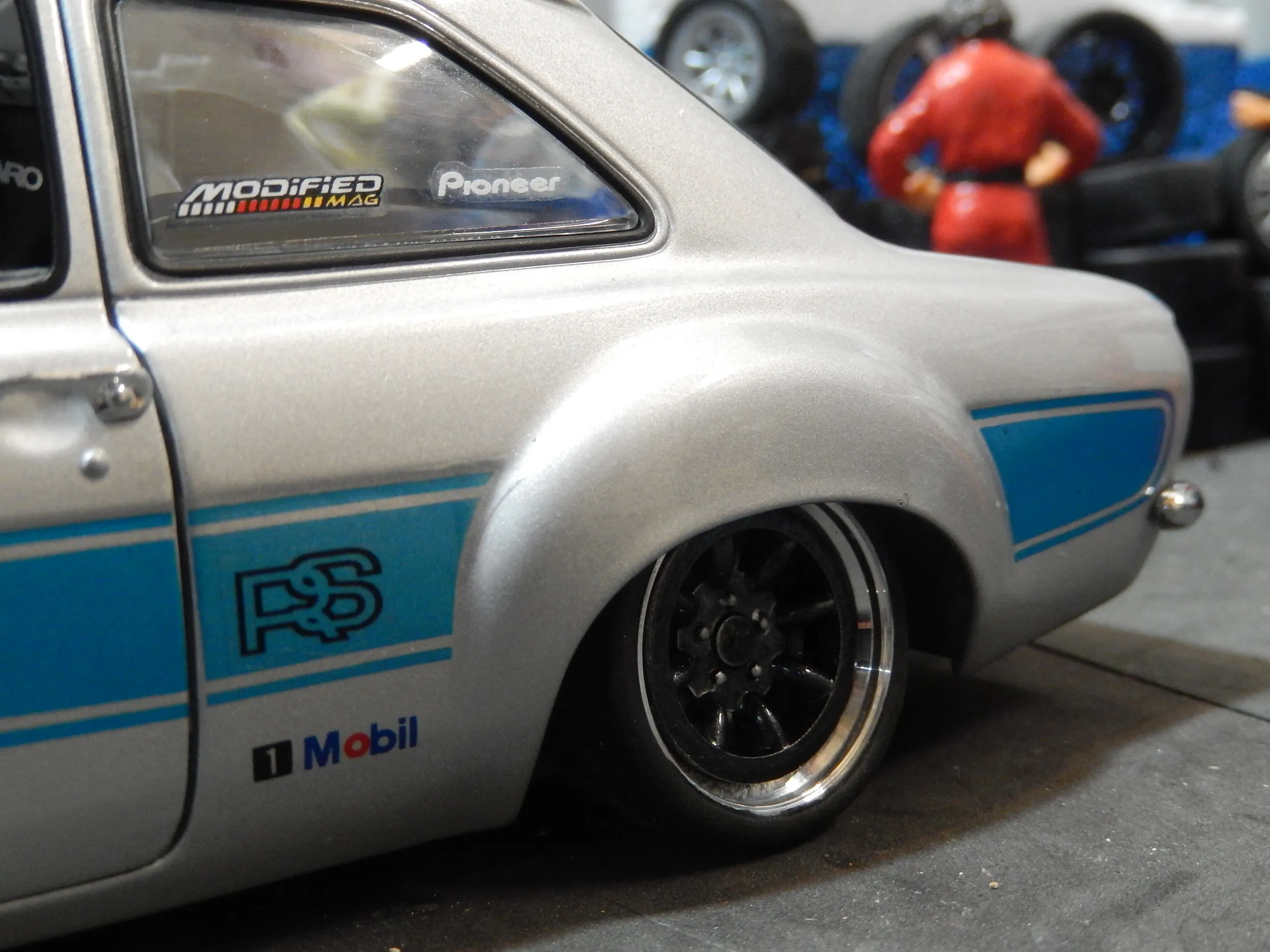
What is Diecast Tuning?
Diecast tuning is the art and science of modifying and customizing scale model cars, typically made of diecast metal. It’s a captivating hobby that combines the precision of model building with the creative freedom of automotive customization. Enthusiasts take these miniature vehicles and transform them, enhancing their aesthetics, performance (in a simulated sense), and overall realism. This can involve a wide range of modifications, from simple detailing to complex chassis adjustments and complete overhauls. The appeal lies in the ability to create unique, personalized models that reflect the owner’s tastes and preferences or replicate real-world vehicles. The possibilities are virtually endless, making it a rewarding pursuit for hobbyists of all skill levels.
The Appeal of Diecast Models
Diecast models have a unique appeal that draws collectors and enthusiasts worldwide. They offer a tangible connection to the automotive world, allowing individuals to own and admire miniature versions of their favorite cars. The level of detail in many diecast models is remarkable, replicating everything from the exterior paint and body lines to the interior features and engine components. This realism is a significant draw, allowing enthusiasts to appreciate the design and engineering of these iconic vehicles. Furthermore, diecast models provide an affordable way to collect a diverse range of cars, without the space and financial constraints of owning the real thing. The hobby fosters a sense of community, with collectors sharing their passion and knowledge. These models capture a moment in automotive history and are a fantastic way to relive memories and celebrate the beauty of car design.
Why Tune Diecast Models?

The motivation behind diecast tuning is diverse, driven by several factors that enhance the hobby’s appeal. Primarily, tuning offers a means of personalization, allowing individuals to create unique models that reflect their tastes and interests. This could involve replicating a specific car, modifying an existing model to resemble a fictional vehicle, or simply improving its appearance. Tuning provides a creative outlet, allowing modelers to experiment with different techniques, materials, and designs. It transforms a mass-produced item into a personalized work of art. Furthermore, tuning can increase the model’s realism by improving details. This can involve adding new parts, enhancing existing ones, or applying realistic weathering effects. This dedication to detail is an integral part of the tuning process, leading to impressive results that capture the essence of real-world cars. Finally, tuning fosters a sense of accomplishment and community. Sharing their work and exchanging tips with other enthusiasts is a rewarding experience.
Essential Tools for Diecast Tuning
Embarking on a diecast tuning journey requires a well-equipped toolkit. While the specific tools needed vary depending on the scope of the modifications, several items are indispensable. Quality tools not only make the process easier but also minimize the risk of damaging delicate model components. Starting with a basic set and gradually expanding as your skills and projects evolve is a practical approach. A well-organized workspace, with adequate lighting and ventilation, further enhances the tuning experience. Regular maintenance of your tools, such as cleaning and sharpening, is vital for optimal performance and longevity. Investing in these essentials will pay off in the long run, allowing you to execute your tuning projects with precision, efficiency, and enjoyment.
Screwdrivers and Precision Tools
Precision screwdrivers are the cornerstone of any diecast tuning toolkit, as they are essential for disassembling and reassembling models. A comprehensive set should include various sizes and types, such as Phillips head, flathead, and Torx, to accommodate different screw types found on diecast cars. High-quality screwdrivers with magnetic tips are recommended, as they securely hold screws and prevent them from being dropped and lost. Tweezers are also crucial for handling small parts, such as decals, photo-etched details, and tiny screws. A hobby knife with replaceable blades is useful for trimming, cutting, and removing parts. A set of files and sanding sticks with varying grits will enable you to shape and smooth surfaces. Finally, a set of calipers and a ruler are used to measure parts accurately, ensuring precise modifications and alignments.
Adhesives and Lubricants

Adhesives and lubricants are critical for assembling and maintaining your tuned diecast models. Cyanoacrylate glue (super glue) is a versatile adhesive for bonding various materials. When applying it, use a small amount to avoid overflow, and use an accelerator to speed up drying time. Epoxy glue is stronger and suitable for structural applications, like attaching chassis components. PVA glue is ideal for adhering paper and cardboard, such as interior details. Lubricants reduce friction, prevent wear, and improve the functionality of moving parts. Silicone-based lubricants are safe for use on plastic and metal parts. Apply a small amount to axles, hinges, and other moving parts, as needed. A good selection of adhesives and lubricants enhances the longevity and functionality of your customized models.
Parts and Upgrades
Enhancing your diecast models frequently involves obtaining replacement or upgraded components. A variety of vendors provide aftermarket parts tailored for various diecast scales and brands. Popular upgrades include metal axles for improved durability, and custom wheels and tires to improve aesthetics. Photo-etched parts, which are intricate metal pieces, can add fine details to the exterior and interior. Resin parts such as engine components or body kits offer improved realism. When purchasing parts, measure accurately and check fitment guides to ensure that the components are compatible with your specific model. Always check the quality and materials, as they have a significant impact on the final result. By carefully selecting parts and upgrades, you can significantly enhance the appearance and realism of your diecast models.
Customizing the Chassis
Customizing the chassis is a central part of diecast tuning and has a huge impact on the model’s overall look and handling. A fundamental modification is lowering the ride height to give the car a more aggressive stance. This can be achieved by adjusting the suspension, trimming the chassis, or using aftermarket lowering kits. Another area of modification includes the suspension, allowing modelers to improve handling characteristics and appearance. Other options include modifying the chassis for a more realistic look. Chassis modifications often require careful measurement, precision cutting, and a degree of mechanical aptitude. The goal is to achieve a balance between aesthetics and functionality, creating a miniature representation of a real-world performance vehicle. Success requires patience, attention to detail, and the right tools.
Lowering the Ride Height

Lowering the ride height is one of the most popular chassis modifications in diecast tuning, significantly impacting the model’s stance and overall appearance. Several methods can be employed, each with its advantages. One common technique involves trimming the suspension posts or removing material from the chassis. This lowers the body closer to the wheels. Another method uses aftermarket lowering kits, which include shorter springs or modified suspension components. These kits provide a more precise lowering effect and can often be adjusted to achieve the desired ride height. Before making any modifications, measure the original ride height and determine the desired lowering amount. When cutting or trimming, do so gradually and test-fit the body frequently to ensure the desired effect. It is essential to maintain proper wheel alignment to maintain functionality.
Modifying the Suspension
Beyond lowering the ride height, modifying the suspension allows you to enhance the detail and handling of your diecast models. This process can involve replacing the original springs with stiffer ones, improving the car’s handling characteristics. You could also include shocks for a smoother ride. Some modelers add custom suspension components, like sway bars or coilovers, which provide a more realistic appearance. Precision is necessary to ensure proper wheel alignment and maintain functionality. Before attempting any major suspension modifications, study reference images and understand how the suspension systems work on real cars. Modifications can significantly improve the visual impact of your model, but also allow for greater customization and realism.
Enhancing the Wheels and Tires
Enhancing the wheels and tires is a key aspect of diecast tuning, with significant impact on both aesthetics and perceived performance. The right wheels and tires can transform the model’s appearance, giving it a more aggressive, realistic, or customized look. Wheel swaps involve removing the original wheels and replacing them with aftermarket options. Tire selection also plays a crucial role, allowing you to simulate different types of tires, such as performance, street, or racing tires. Tire modifications also include adding sidewall details, such as brand names or tire size. These small touches go a long way in enhancing the model’s authenticity. Take into consideration the wheel size, offset, and tire profile to ensure a perfect fit and realistic stance.
Wheel Swaps and Custom Rims

Wheel swaps are a cornerstone of diecast tuning, offering a dramatic transformation to the model’s appearance. Aftermarket rims are available in a wide array of styles, from classic designs to modern, high-performance options. Before swapping wheels, measure the original wheel size, offset, and axle diameter to ensure compatibility. When selecting aftermarket rims, consider the overall design of the model and the desired aesthetic. You can paint the wheels to match or contrast with the body color. To install the new wheels, you may need to modify the axles or use adaptors. Once fitted, carefully inspect the wheels for proper alignment. By selecting the right wheels, you can significantly change the look of your models.
Tire Selection for Performance and Looks
Tire selection is crucial for completing the wheel and tire upgrade. Tires come in various sizes, profiles, and tread patterns, each offering a different visual effect. Consider the scale of the model, and the desired performance aesthetic. Low-profile tires are associated with a sporty look, while taller tires can give a classic or off-road appearance. Rubber tires offer a more realistic look and feel than plastic alternatives. You can use decals and weathering techniques to add tire branding, and also simulate tire wear. Experimenting with tire options and finding the right combination of wheels and tires can significantly improve the realism and appeal of your diecast models. The right choice can set the overall tone for the model.
Detailing the Interior and Exterior
Detailing the interior and exterior is the process that separates well-executed diecast tuning from amateurish attempts. Detailing involves adding realistic features to the model, enhancing its overall appearance. This may include painting details, adding decals, and weathering effects to create a more realistic look. The interior can be improved by adding custom seats, steering wheels, and dashboards. For the exterior, consider adding photo-etched parts, custom lights, and additional details. These details can significantly impact the overall quality and realism of your model. Taking the time to detail your model carefully will transform it from a mass-produced toy into a piece of art.
Adding Decals and Paint Details

Decals and paint details are essential for enhancing the realism and customization of your diecast models. Decals add intricate details to the model, such as logos, stripes, and racing livery. Careful application is essential for a professional result. Use decal setting solutions to soften the decals and help them conform to the surface. Paint details can be added to the interior, exterior, or engine components. Use high-quality paints and fine-tipped brushes. Consider masking areas before painting to achieve clean lines and sharp edges. By incorporating decals and paint details, you can create models that are unique. Properly executed, decals and paint detailing will take your tuning to the next level.
Realistic Weathering Techniques
Weathering techniques add realism to your diecast models, making them look more lived-in and authentic. These techniques involve applying effects to simulate the effects of age, wear, and exposure to the elements. There are several weathering techniques. Dry brushing involves applying a small amount of paint to a brush and then wiping it off. This technique highlights raised surfaces, and simulates wear. Wash techniques use diluted paint to fill in panel lines. Rust and corrosion effects can be created with weathering powders or paints. Start small, and practice on scrap pieces before applying weathering techniques to the model. Remember that less is often more when it comes to weathering. With the right techniques, you can transform your diecast model into a realistic miniature of its real-world counterpart.
Displaying and Protecting Your Tuned Models
Once your diecast models are tuned, displaying and protecting them becomes essential. Proper display and storage will protect your models from dust, damage, and fading. Careful presentation also highlights the beauty of your work. Consider the display environment, and how you would like to show your models. Shelves, display cases, and custom-built dioramas are options. Make sure the chosen display option provides adequate protection. Proper lighting will highlight the details of your models, while also enhancing the visual appeal. Dust is the enemy of any model collection, so dustproof display cases are essential. By carefully displaying and protecting your tuned models, you’ll preserve the quality of your work and ensure your models.
Showcasing Your Diecast Collection

Showcasing your diecast collection is a rewarding experience. Display cases offer the best protection, allowing you to organize and arrange your models aesthetically. Consider the size and style of the display case, and its compatibility with your models and space. Use display stands to create visual interest and highlight specific models. Proper lighting is crucial for showcasing the details and enhancing the models’ visual appeal. Arrange your models thematically, such as by brand, type, or era. Maintain a clean and organized display area to enhance the models’ overall presentation. Taking the time to showcase your collection is an opportunity to share your passion with others.
Protecting Against Dust and Damage
Protecting your tuned models from dust and damage is critical to preserving their condition and value. Dust is the enemy of any model collection, so dustproof display cases are highly recommended. If you do not use a display case, dust regularly with a soft brush or microfiber cloth. Avoid direct sunlight, as this can cause fading and damage to the paint and decals. Handle your models with clean hands, and avoid touching the painted surfaces. Store your models in a cool, dry environment, away from extreme temperatures and humidity. If you need to transport your models, pack them securely in individual boxes with bubble wrap or foam padding. By following these steps, you can protect your models from damage and ensure their longevity.