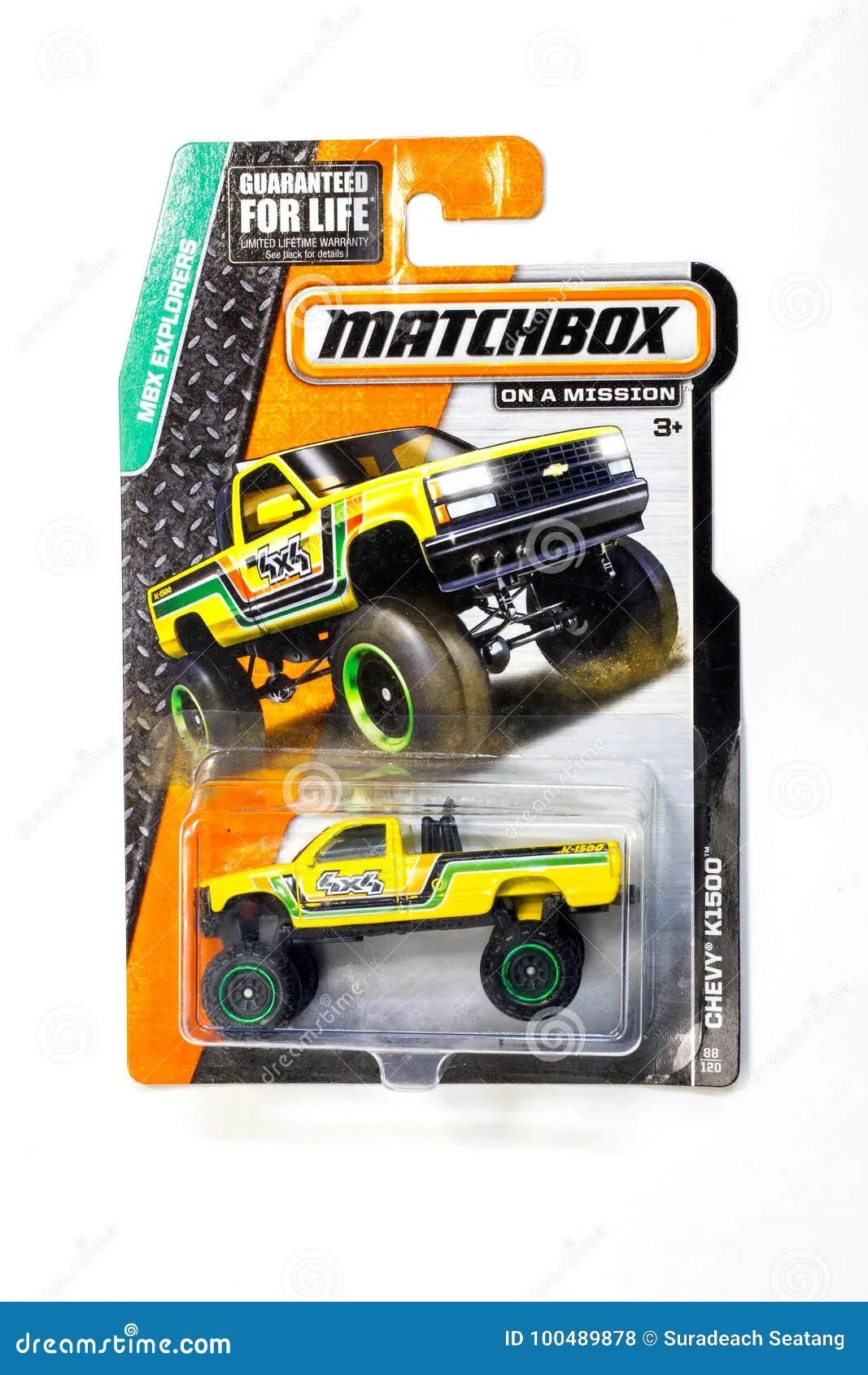
History of Matchbox Cars
Matchbox cars have captivated generations with their miniature charm and enduring appeal. These diecast metal toy cars, known for their small size and affordability, have become a significant part of toy history and a beloved collectible item for enthusiasts worldwide. Understanding the history of Matchbox cars provides a fascinating glimpse into their evolution, from their humble beginnings to their current status as icons of the toy industry. Their story is one of innovation, adaptation, and a deep connection with the world of automobiles. The impact they have had on the toy world is substantial.
The Birth of Matchbox
The Matchbox story began in 1953 with Lesney Products, a British die-casting company. Their initial focus was on producing small-scale, diecast vehicles that could fit inside a matchbox, hence the name ‘Matchbox’. These early models were designed to be inexpensive and accessible, allowing children to collect a variety of vehicles without breaking the bank. This clever design and marketing strategy quickly set them apart from other toy manufacturers. This focus on affordability and playability was a key factor in their early success.
Early Models and Their Popularity

The initial Matchbox models were simple, yet well-crafted. They included trucks, buses, and various other vehicles, all designed to a consistent scale, making them easy to collect and play with. Their durability and realistic designs appealed to children, while their compact size made them easy to carry and store. The popularity of these early models grew rapidly, establishing Matchbox as a major player in the toy industry. The early models were simple but well-made, reflecting the period’s design sensibilities and engineering capabilities. These cars quickly became a hit.
Matchbox Cars’ Scale and Standardization
One of the defining features of Matchbox cars is their consistent scale, which allowed for easy comparison and collection. The standardization of scale was crucial to their success, enabling children and collectors to create miniature worlds and dioramas with their Matchbox cars. The consistent scale meant that different models could interact seamlessly, enhancing the play experience. It’s important to know about the scales of Matchbox cars because they have an important role in their history and appeal.
The 1/77 Scale
The most common scale for Matchbox cars is approximately 1/77. This scale allowed for a balance between detail and affordability, enabling the production of realistic models that were still small enough to fit inside a matchbox. This size also made them easy to transport and play with. The 1/77 scale became a hallmark of Matchbox cars, distinguishing them from other diecast toy brands. Many car collectors still adore this scale.
Variations in Scale and Their Significance

While 1/77 is the standard, Matchbox has produced models in various other scales over the years. These variations often reflect specific vehicle types or the need for increased detail. For example, larger models might be scaled down to create a more impressive display. These variations add diversity to the Matchbox range, allowing collectors to find models that meet their specific interests. Understanding these scale variations is crucial for serious collectors and anyone who wants to build a collection.
Iconic Matchbox Models
Throughout its history, Matchbox has produced many iconic models that have become highly sought after by collectors. These models represent the best of Matchbox’s design, quality, and innovation. From classic cars to emergency vehicles, these models continue to capture the imagination of both young and old. The variety and detail of these models reflect the evolution of automotive design and the changing preferences of collectors.
Lesney Models
The original Lesney models are highly prized by collectors for their historical significance and quality craftsmanship. These models often feature intricate details and a high level of realism. The Lesney era represents the golden age of Matchbox, with many models becoming iconic symbols of their time. These cars are sought after by collectors worldwide and are often found in excellent condition. These original models represent a special part of Matchbox history.
Superfast Series

The introduction of the Superfast series in the late 1960s marked a significant turning point for Matchbox. These models featured sleek designs and faster wheels, making them even more attractive to children. The Superfast series helped to revitalize the brand and introduce new designs and technologies. These models also became collectible, with certain variations commanding high prices in the collector’s market. The Superfast series introduced a new aesthetic and play experience that resonated with younger audiences.
Matchbox Cars and Collectibility
Matchbox cars have become a popular hobby and investment for many people. The collectibility of these cars is driven by various factors, including rarity, condition, and the history of individual models. Collectors search for specific models to fill gaps in their collections, and the value of these cars can vary widely depending on their desirability. The collectibility of Matchbox cars offers a fascinating journey into the world of toy collecting and appreciation. The collectibility continues to be an active market.
Factors That Influence Value
Several factors influence the value of Matchbox cars. Rarity, condition, and historical significance are among the most important. Rare models, particularly those with unique features or variations, often command higher prices. The condition of a model is also crucial, with mint-condition cars being more valuable than those with wear and tear. Understanding these factors is essential for anyone interested in collecting or investing in Matchbox cars. Some models may increase in value over time.
Rarity and Condition

Rarity and condition play a significant role in determining the value of Matchbox cars. Rare models, such as those produced in limited quantities or with unique features, are highly sought after by collectors. The condition of a model, including its paint, wheels, and overall appearance, is also critical. Cars in mint condition, with their original packaging intact, are often worth considerably more than those with signs of wear. These are important aspects for potential buyers.
The Impact of Matchbox Cars on Toy Industry
Matchbox cars have had a profound impact on the toy industry, setting standards for diecast models and influencing the design and marketing of other toy brands. Their success demonstrated the appeal of small-scale, affordable toys, and their innovative approach to design and production inspired other manufacturers. The impact goes beyond the toys themselves, with a vibrant collector community and a significant presence in popular culture. This impact continues to be felt today.
In conclusion, Matchbox cars offer a fascinating glimpse into the history of toys, the evolution of automotive design, and the enduring appeal of collectible items. These miniature marvels continue to captivate collectors and enthusiasts. Whether you are a long-time collector or just starting, the world of Matchbox cars offers a fun and rewarding experience. Their lasting impact on the toy industry is undeniable, and their legacy continues to grow.