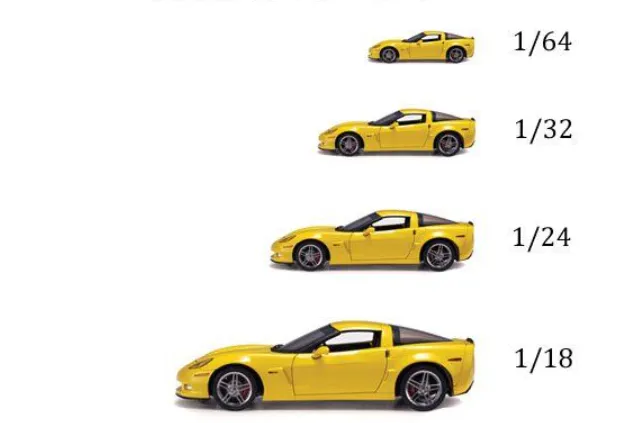
Understanding Diecast Scale Basics
Diecast car collecting is a popular hobby, and understanding scale is fundamental to enjoying it fully. Comparing diecast scale models accurately allows collectors to appreciate the detail and craftsmanship of these miniature vehicles. This guide will equip you with the knowledge and tools to compare diecast scales like a pro. Whether you’re a seasoned collector or just starting, mastering scale comparison will enhance your appreciation for these intricate models. It involves understanding ratios, measurements, and the nuances of how diecast cars are made and presented. This knowledge will help you choose, display, and care for your collection effectively.
What is Scale in Diecast Cars
In the world of diecast cars, ‘scale’ refers to the ratio between the size of the model and the size of the real-life vehicle. It’s a crucial aspect of diecast collecting, as it dictates the model’s dimensions relative to its full-size counterpart. Common scales represent a specific proportion, like 1:18, where the model is 1/18th the size of the actual car. This ratio allows manufacturers to create detailed replicas of various cars. Understanding scale helps collectors visualize how a model compares to the real thing and how it fits into their collection alongside other models. Scale differences greatly impact the visual impact and the space a collector needs to display their models.
Common Diecast Scales
Several scales are widely used in diecast model production, each catering to different preferences and display requirements. Recognizing these scales is essential for any collector, as it influences the size, detail, and overall visual appeal of the models. The most popular scales offer a balance of detail, size, and availability, making them ideal for both casual enthusiasts and dedicated collectors. Choosing the right scale can significantly enhance your collecting experience and maximize the enjoyment derived from these miniature vehicles. This section will delve into the most frequently encountered scales to help you navigate the world of diecast cars more confidently.
Popular Diecast Scales Explained
The 1:18 scale is arguably the most popular among collectors, offering a great balance of detail and size. These models are typically around 10 inches long, allowing for intricate details and features like opening doors, hoods, and trunks. The 1:24 scale is also prevalent, being slightly smaller but still providing good detail, making it more affordable and suitable for displaying larger collections. In contrast, the 1:43 scale is often considered the standard for smaller collections, as they require less space and are more affordable. They are also more widely available, with a broad range of models. Each scale has its own appeal, dependent on what the collector is looking for.
Less Common Diecast Scales
While certain scales dominate the market, other scales offer unique collecting opportunities. Scales like 1:12, 1:32, and 1:64 cater to niche interests and offer a diverse range of models. 1:12 scale models are large and highly detailed, often considered premium collectibles. 1:32 scale models provide a balance between detail and affordability. 1:64, often referred to as ‘matchbox’ size, is ideal for collectors with limited space or a preference for variety, as these are small, easy to find, and budget-friendly. These scales provide varied options for different collections, broadening the horizons for enthusiasts seeking unique models.
Tools for Accurate Diecast Scale Comparison

Accurate diecast scale comparison requires specific tools and techniques. Knowing how to measure and interpret these measurements enables collectors to assess the accuracy and detail of their models. These tools help confirm the scale and identify discrepancies, adding a layer of precision to collecting. Combining these instruments with basic knowledge will make comparisons a much easier experience. The tools are easy to get and can be purchased in most general stores, making the process more accessible.
Measuring Tools and Techniques
A ruler or measuring tape is essential for diecast scale comparison. Using these, measure the length and width of the model. Compare the measurements to the real car’s dimensions, using the scale ratio to determine if the model accurately represents the real-life vehicle. Digital calipers offer greater precision, perfect for measuring small details. Recording and comparing measurements ensures accurate assessment, and knowing the size of a vehicle allows you to easily compare. These techniques help confirm the scale accuracy and allow for precise comparisons. Using a millimeter ruler can provide the most exact measurements.
Using Online Resources and Databases
Numerous online resources and databases can aid in diecast scale comparison. Websites like scale-models.com offer detailed information on various models, including measurements and specifications. Vehicle specifications websites provide real-world car dimensions, which can be compared with the model’s measurements. Forums and collector communities provide expert opinions and comparisons. Leveraging these resources will quickly enhance your diecast scale comparison skills, helping to identify accurate and well-detailed models. These resources can be a massive help to the collector, and also assist with any queries.
Comparing Real-World Dimensions

Comparing a diecast model’s dimensions to those of the real car is a critical step. This process involves measuring the model, converting it to real-world dimensions based on the scale, and then comparing those converted dimensions with the known dimensions of the actual car. Websites and car specification sheets offer exact measurements. This comparison confirms the accuracy of the scale and identifies potential discrepancies. By comparing these dimensions, collectors can make a definitive assessment of the model’s precision. This practice ensures that the model accurately reflects the proportions of the original vehicle, adding to its authenticity.
Factors Influencing Diecast Scale Accuracy
Several factors influence the accuracy of diecast models. Understanding these elements helps collectors appreciate the challenges involved in creating precise replicas. The manufacturing process, design limitations, and the materials used all contribute to the overall fidelity of a model. These factors can impact the accuracy of a diecast car, and understanding them will give you a deeper appreciation for the level of detail. This ensures collectors can make informed choices and appreciate the craftsmanship of their models.
Manufacturing Processes and Tolerances
The diecast manufacturing process involves various stages, each affecting the final product’s accuracy. Die-casting, where molten metal is poured into molds, is a common technique, but it inherently involves tolerances. These are acceptable deviations from the exact measurements due to the nature of the process. The tolerances, which differ by manufacturer and scale, impact the model’s overall accuracy. The quality of the mold, the type of metal used, and the finishing process all contribute to the accuracy. Understanding these manufacturing processes allows collectors to appreciate the complexities involved in creating these miniature replicas.
Design and Proportions

Design and proportions play a crucial role in the accuracy of a diecast model. Designers must translate the real car’s dimensions into a scaled-down format. The level of detail in the design phase affects the model’s faithfulness to the original vehicle. Factors like the accuracy of the blueprints and the complexity of the car’s design impact the model’s accuracy. While precise measurements are important, the overall proportions and aesthetic details also matter. Models that pay close attention to these aspects are highly valued. Good design will enhance the visual appeal and the overall quality of a diecast model.
Collecting and Displaying Scale Diecast Cars
Collecting and displaying diecast cars involves more than just acquiring the models. Organizing, displaying, and preserving these models adds value to the hobby. Careful organization and display can help maximize the enjoyment derived from a collection and protect the value of your models. A well-organized and presented collection will not only look impressive but also reflect the collector’s passion and commitment. This part covers ways to present your collection.
Organizing Your Collection by Scale
Organizing your collection by scale is a great way to create a visually appealing and accessible display. Grouping models by scale allows for easy comparison and appreciation of the size differences. Dedicated shelves or display cases can be arranged based on scale. Consider using labels or tags for identification and adding a catalog. Organizing your collection ensures easy access. This makes it easier to find specific models and enhances the visual appeal of your collection. Proper organization will greatly improve the collecting experience.
Displaying Your Models

The way you display your diecast cars can significantly impact their visual appeal. Display cases, shelves, and custom-built displays are popular options. Consider lighting to highlight the details and enhance the overall look. The background and surrounding environment can further enhance the display. Displaying your models can transform your collection into a stunning showcase. Carefully consider the available space, lighting, and your aesthetic preferences. The right setup will greatly showcase your collection.
Maintaining and Preserving Your Collection
Maintaining and preserving your diecast car collection ensures its longevity and value. Protect models from dust, direct sunlight, and extreme temperatures. Regular dusting and cleaning are necessary to keep the models in good condition. The proper storage and handling can prevent damage and ensure they remain in pristine condition. By implementing simple maintenance practices, collectors can preserve the condition and value. Caring for your collection will protect your investment and give you lasting enjoyment.
Conclusion
Comparing diecast scale cars effectively requires a blend of knowledge, tools, and a keen eye for detail. This guide has equipped you with the essential information to measure and compare models accurately. By understanding scales, utilizing the right resources, and paying attention to manufacturing factors, you can confidently evaluate your collection. Remember to organize, display, and maintain your models. With these skills, you can elevate your diecast car collecting experience, fully appreciating these detailed miniature vehicles. Happy collecting!