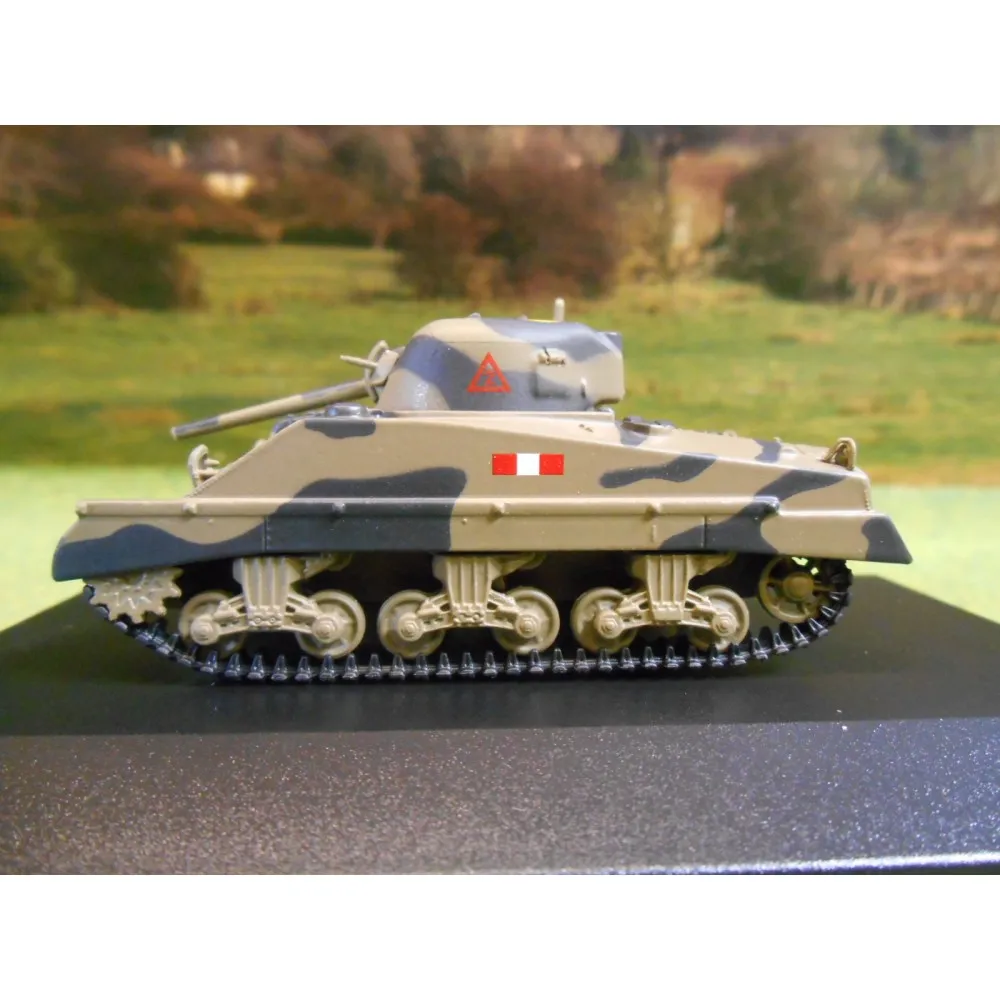
What is the Sherman Tank
The M4 Sherman tank, officially the Medium Tank, M4, was the primary tank used by the United States and its allies in World War II. It was a workhorse of the Allied forces, renowned for its reliability, mobility, and versatility. Named after the American Civil War General William Tecumseh Sherman, this tank played a pivotal role in numerous battles across Europe, North Africa, and the Pacific. The Sherman tank wasn’t the most heavily armored or most powerfully armed tank of the war, but its mass production and adaptability made it a crucial component of Allied success. Its design prioritized ease of manufacture and maintenance, allowing for a constant stream of replacements and upgrades throughout the conflict. This ensured that Allied tank forces could maintain a numerical advantage on the battlefield, which often proved decisive in the face of determined Axis resistance. The Sherman’s impact on the war is undeniable, serving as a symbol of Allied resilience and a testament to the importance of combined arms tactics.
Early Design and Development
The development of the M4 Sherman was driven by the need for a medium tank to replace the M3 Lee/Grant, which had limitations in its gun placement and overall effectiveness. The design process began in 1941, with a focus on incorporating improvements learned from the M3’s combat experience. The Sherman featured a fully traversing turret, which allowed the main gun to aim in any direction, a significant upgrade over its predecessor. The initial prototypes were quickly refined, with different variants emerging that incorporated different engines, guns, and other modifications. This modular approach allowed for continuous improvements and adaptation to the changing demands of the battlefield. Production was a collaborative effort, involving several manufacturers to ensure that the tanks could be produced in the quantities needed. The first M4 Sherman tanks rolled off the production lines in early 1942, quickly equipping US armored divisions and being supplied to Allied nations through the Lend-Lease program.
Key Features of the M4 Sherman

The M4 Sherman boasted several key features that contributed to its success. Its 75mm gun, while not as powerful as some German tank guns, was effective against infantry and other soft targets. The tank’s relatively high speed and maneuverability allowed it to operate effectively on various terrains. The Sherman also featured a reliable engine and a relatively simple design, making it easier to maintain and repair in the field. Early models had a riveted hull, but later versions incorporated a welded hull, which improved its armor protection. The tank’s crew of five, consisting of a commander, gunner, loader, driver, and assistant driver/machine gunner, worked together to operate the tank and engage enemy forces. Over time, the Sherman underwent several upgrades, including a 76mm gun, which increased its firepower, and improved armor protection. These improvements helped the Sherman remain competitive throughout the war.
The Sherman Tank’s Role in WWII
The M4 Sherman played a central role in the Allied victory during World War II. It was deployed in nearly every theater of the war, from the deserts of North Africa to the dense forests of Europe and the islands of the Pacific. Its versatility and reliability made it a valuable asset in diverse combat environments. The Sherman tank was used in a variety of roles, including infantry support, breakthrough operations, and anti-tank warfare. The tank’s ability to work in conjunction with other Allied forces, such as infantry and air support, helped to overcome enemy defenses and secure strategic objectives. The Sherman’s production numbers and ability to be easily repaired and upgraded ensured that Allied forces always had sufficient tanks on the battlefield to deal with enemy tanks. The tank’s performance, combined with Allied tactical doctrines, helped to tip the balance of power on the battlefield.
Major Battles and Campaigns
The M4 Sherman saw action in numerous key battles and campaigns throughout WWII. It was instrumental in the North African campaign, where it helped to defeat the Axis forces in the harsh desert conditions. During the invasion of Normandy, the Sherman played a crucial role in the initial landings and the subsequent battles to liberate France. The tank’s maneuverability was vital in the bocage country, where it was employed to help break through the hedgerows. In the Pacific Theater, the Sherman was used in island-hopping campaigns, providing fire support for the troops landing on the beaches. The Sherman’s involvement was significant in the Battle of the Bulge, where it helped to slow down the German offensive and secure Allied lines. In each of these battles and campaigns, the Sherman proved its mettle, contributing significantly to Allied success.
Impact on Allied Victory

The M4 Sherman’s impact on the Allied victory was profound. Its mass production and adaptability gave the Allies a significant advantage in terms of numbers and tactical flexibility. The tank provided invaluable support to Allied infantry, enabling them to overcome enemy defenses and seize strategic ground. The Sherman’s reliability and ease of maintenance meant that it was available in large numbers. Its ability to adapt to different terrains and combat situations made it an indispensable asset in all theaters of war. Its ability to be easily repaired and upgraded helped to ensure that the Allied forces maintained a technological edge as the war progressed. The Sherman’s contribution was crucial to Allied victory, and it remains a symbol of their resilience and strategic brilliance during WWII.
Oxford Diecast Sherman Tank Models
Oxford Diecast is a well-regarded manufacturer of diecast model vehicles, including a popular range of M4 Sherman tanks. Their models are known for their high level of detail and accuracy, making them highly sought after by collectors and enthusiasts. Oxford Diecast models offer a cost-effective way to collect and display the iconic tank without compromising the fine details. These models are frequently made in 1:76 scale, fitting well with other model railways and dioramas. The brand’s attention to detail, from the paint scheme to the markings, accurately reflects the historical appearance of the Sherman tank. These models provide enthusiasts with a tangible way to appreciate the design and legacy of the M4 Sherman.
Popular Scales and Variations
Oxford Diecast Sherman tank models come in various scales, with 1:76 being the most common, allowing for compatibility with other model railway scales and military modeling enthusiasts. This scale allows for detailed models without taking up excessive space. The manufacturer offers different variations of the Sherman, including models of the early M4, M4A1, and M4A3. These variations often feature different gun types, hull designs, and camouflage patterns. Some models showcase specific historical units and battles, increasing their appeal to collectors. The variety allows collectors to build comprehensive representations of the Sherman’s evolution through the war, offering a diverse range of subjects to choose from. The availability of different scales and variations ensures that there is a model to suit all collectors’ preferences and display arrangements.
Detailing and Accuracy
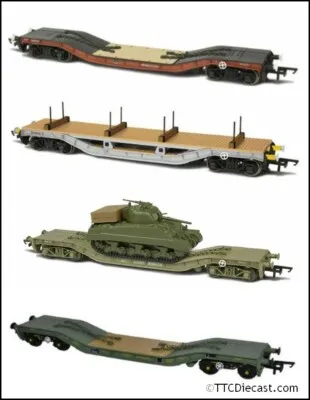
Oxford Diecast is known for its attention to detail in their Sherman tank models. The models feature accurate representations of the tank’s various components, including the turret, gun, tracks, and hull details. The paint schemes are carefully applied to reflect the historical appearance of the tanks, including accurate markings, camouflage patterns, and weathering effects. They also feature detailed interior elements, such as hatches, vision ports, and tools. This high level of detail enhances the models’ realism and makes them appealing to collectors who value historical accuracy. The company’s commitment to detail allows for the creation of models that are both visually appealing and educational.
Collecting and Displaying Sherman Tanks
Collecting Oxford Diecast Sherman tank models can be a rewarding hobby. Collectors often focus on specific variants, historical units, or theaters of war. Displaying these models can involve a variety of methods, from simple shelf arrangements to elaborate dioramas that recreate historical battle scenes. Collectors can acquire models from various sources, including online retailers, hobby shops, and diecast model shows. Joining collecting clubs and online forums can provide additional resources. To start a collection, consider what types of models interest you and create a theme. Displaying the models with other military vehicles and figures can create a more immersive display. Caring for the models involves protecting them from dust and direct sunlight and storing them carefully.
Caring for Your Models
Proper care is essential to preserving the quality of your Oxford Diecast Sherman tank models. Dusting the models regularly with a soft brush or cloth is recommended to prevent dust accumulation. Avoid exposing the models to direct sunlight, which can fade the paint and damage the plastic components. When handling the models, be careful not to drop them or expose them to excessive force, as this can cause damage. Store the models in a cool, dry place to prevent damage. Consider using display cases to protect the models from dust, moisture, and accidental damage. By following these simple steps, you can ensure that your Sherman tank models remain in excellent condition.
Where to Buy and Sell

Oxford Diecast Sherman tank models are available for purchase from various sources. Online retailers, such as Amazon and eBay, offer a wide selection of models, often at competitive prices. Local hobby shops and model stores also carry these models. Model shows and swap meets provide opportunities to find rare and vintage models. Selling your models can be done through online marketplaces, model shows, and online forums dedicated to diecast collecting. When buying or selling, always check the model’s condition, including any missing parts or paint imperfections. Comparing prices from different sources ensures that you receive a fair deal. Always research the seller’s reputation and payment methods before making a purchase.
Why the Sherman Tank Still Matters
The M4 Sherman tank continues to be a subject of historical significance and collecting interest for several reasons. Its role in World War II makes it an iconic symbol of Allied victory. The tank’s design, operation, and combat performance remain a topic of ongoing study. Diecast models like those produced by Oxford Diecast allow enthusiasts to appreciate the tank’s design. The Sherman’s story is a lesson on war, engineering, and manufacturing. It provides a tangible link to a pivotal moment in history and continues to inspire the interest of model enthusiasts and historians alike. It represents the ingenuity and perseverance of the Allied forces during a time of great conflict.